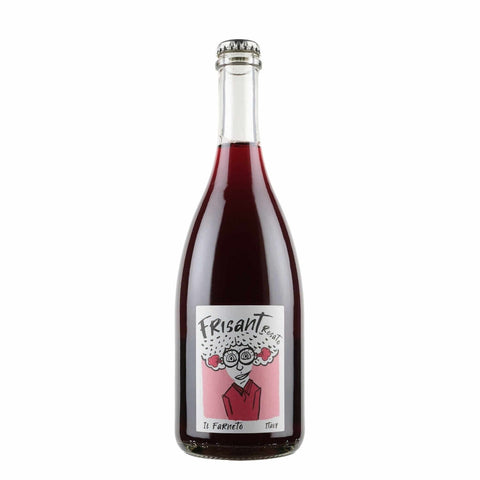
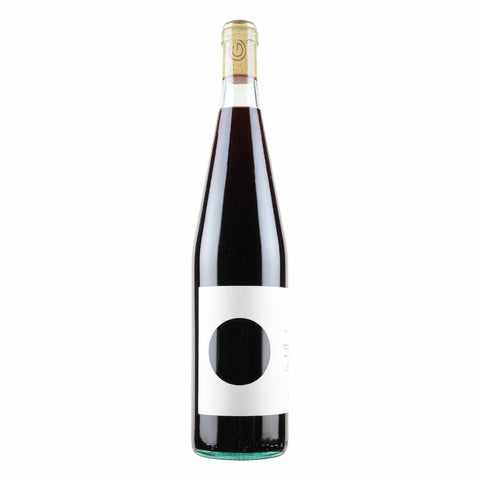
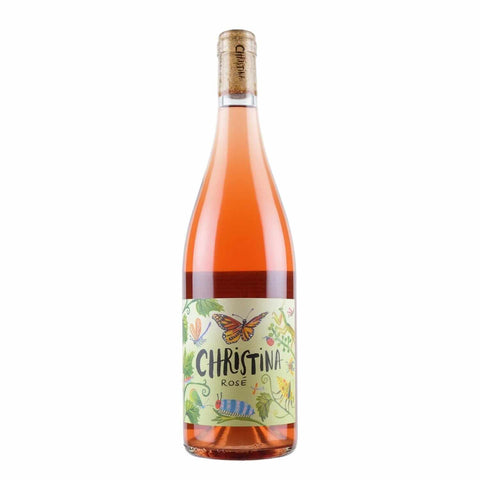
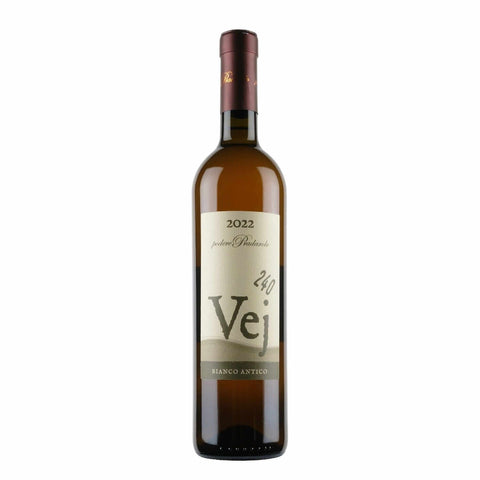
Natural Wine Best Sellers
Buy natural wine online and get it shipped directly to you. Our natural wine shop brings together organic, biodynamic, low-sulfur, and zero-zero wines—all fermented with native yeasts and bottled without fining or filtering. New to natural wine? We'll help you find the perfect place to start. Already a fan? Browse our selection for your next great discovery.

Tasty wines
I'm so happy I found Primal Wine for my natural wine needs!

I love it!
We love our membership so far and can't wait until our next shipment.

Best wine club
We are loving the tasting notes sheet and recipe you are sending!

Customer service
I appreciated the quick response and the above and beyond support!
All About Natural Wine | Frequently Asked Questions
We will process and ship your order in 2-3 business days, you will receive a shipping confirmation email with tracking as soon as the Carrier scans the shipping label.
Ground shipping time depends on location, here's a breakdown:
West Coast: 1-2 business days
Midwest: 3-4 business days
East Coast: 5 business days
Process time is not shipping time. Shipping time starts from the days successive to the day of shipping, after the order has been processed.
See here our shipping policy.
Signature on delivery is mandatory for wine deliveries. Please make sure someone is at the shipping address to sign for the package.
If applicable, please consider delivering the package to a business address to ensure someone is available to sign for the package.
We also have the option of delivering the package to a Carrier's store for pickup. Please reach out to us to coordinate.
Carrier will try to delivery a package up to three times before returning the package to us.
See here our shipping policy.
If you miss a delivery and a package gets returned to us we have two options:
1) Reship the package right away: due to the very high cost of shipping and returns, we must charge a re-shipping fee to be determined based on package size and shipping destination.
2) Consolidate the returned package with your next order: this option is free of charge and it's the most popular option.
See here our shipping policy.
What does "natural wine" mean?
Natural wine is wine made from organically or biodynamically farmed grapes, fermented with native yeasts rather than commercial laboratory strains, and produced without synthetic additives or heavy processing in the cellar. There is no single legal definition, but the phrase generally describes a wine made with as little intervention as possible from vineyard to bottle.
How is natural wine different from conventional wine?
Conventional winemaking allows for a long list of permitted additives and processing techniques: cultured yeasts, enzymes, fining agents, reverse osmosis, acidification, and sulfites up to legally prescribed limits, among others. Natural wine producers aim to use none or very few of these tools, relying instead on the quality of the raw material and the behavior of the wine itself during fermentation and aging.
Is natural wine the same as organic wine?
Not exactly. Organic wine refers specifically to wines made from certified organically farmed grapes, with restrictions on sulfite additions at bottling depending on the certifying body. Natural wine goes further in its cellar approach, but the term is not legally regulated, meaning any producer can use it. Many natural wine producers are certified organic or biodynamic, but not all certified organic producers make wine in a natural style.
What is biodynamic wine?
Biodynamic wine is made from grapes grown according to the principles developed by Rudolf Steiner in the 1920s, which treat the farm as a self-sustaining ecosystem. Biodynamic farming follows a planting calendar tied to lunar and cosmic cycles and uses specific herbal and mineral preparations instead of synthetic inputs. Demeter is the primary certification body for biodynamic wines. Many natural wine producers farm biodynamically, though the two terms are distinct.
Does natural wine contain sulfites?
Most natural wines contain some sulfites, because sulfur dioxide is a natural byproduct of fermentation. What distinguishes natural wine is that producers typically add little or no additional sulfur dioxide at any stage of production. Wines with zero added sulfites are sometimes labeled "zero-zero" or "0/0." Some natural wine producers add a small amount of sulfur at bottling for stability, while still keeping total SO2 well below conventional wine levels.
Why does natural wine sometimes look cloudy?
Many natural wines are bottled without fining or filtration, which removes the process that gives conventional wine its clear, bright appearance. The natural haze in an unfiltered wine typically comes from fine particles of yeast, grape solids, or tartrates remaining in suspension. It does not indicate a fault. Some natural wines are also bottled with a small amount of residual carbon dioxide, which can contribute to a lightly cloudy appearance.
Does natural wine taste different?
Natural wine tends to show more varietal and regional character than heavily processed conventional wine, because fewer interventions are made to standardize flavor. The range of styles is broad: some natural wines are clean, precise, and mineral-driven; others are more textured, funky, or oxidative. The common thread is that the wine tastes like it came from somewhere specific, made by someone with a point of view.
Is natural wine better for you?
Natural wine is not a health product, and no reliable clinical evidence supports the claim that it produces fewer hangover symptoms or is significantly healthier than conventional wine. What is true is that natural wine typically contains lower levels of added sulfites and fewer processing additives than conventional wine, which some people find easier to tolerate. Alcohol content varies and remains the primary factor in any health consideration.
Where does natural wine come from?
Natural wine is produced across virtually every wine-producing country in the world. France, Italy, Spain, Austria, Georgia, Slovenia, Australia, and the United States all have established natural wine communities. The movement developed most visibly in France, particularly in the Loire Valley, Beaujolais, and the Jura, where producers like Jules Chauvet, Pierre Overnoy, and Marcel Lapierre laid the philosophical groundwork from the 1980s onward.
How should you store natural wine?
The same way as any wine: in a cool, dark place away from vibration, ideally between 50 and 59°F. Because natural wines are often made without added preservatives, they can be more sensitive to temperature fluctuation and oxidation once opened. Drink most natural whites and rosés young, within one to three years of vintage. Many natural reds and orange wines have the structure to age for five years or more, and some, particularly those from Chenin Blanc, Carignan, or Nerello Mascalese, can develop for a decade or longer.
Does "natural wine" have a legal definition?
No. As of 2025, there is no legally binding international definition of natural wine. The term is not regulated by the European Union, the United States Alcohol and Tobacco Tax and Trade Bureau (TTB), or any other major wine regulatory body. Any producer can label or describe their wine as natural without meeting a defined set of criteria.
Why is there no legal definition?
The natural wine movement developed organically, driven by individual producers and a community of importers, sommeliers, and consumers who shared a common philosophy rather than a formal standard. Attempts to codify the term have repeatedly run into disagreement over where to draw the line, particularly around sulfite additions. Some producers consider any added sulfur incompatible with natural winemaking; others add small amounts at bottling as an insurance measure. Reaching consensus on that question alone has proved difficult enough to prevent a unified regulatory framework from emerging.
Are there any official or semi-official standards?
A few frameworks exist, though none carry the force of law. In France, the Syndicat de Défense des Vins Naturels has proposed a charter defining natural wine as wine made from organically farmed grapes, fermented with native yeasts, containing no more than 30 mg/L of total sulfites for reds and 40 mg/L for whites and rosés, and produced without chaptalization, acidification, concentration, or other listed interventions. This charter has not been adopted into French law. The organization VinNatur in Italy maintains a similar set of technical standards for its member producers, limiting sulfite additions and prohibiting a defined list of cellar practices. Neither framework is legally enforceable outside its respective membership organizations.
What about organic and biodynamic certification?
Organic and biodynamic certifications, such as those issued by Ecocert, AB (Agriculture Biologique) in France, and Demeter internationally, are legally regulated and carry enforceable standards for vineyard farming. However, organic or biodynamic certification applies to viticulture, not winemaking. A wine can be made from certified organic grapes and still undergo extensive cellar intervention with commercial yeasts, fining agents, and high sulfite additions. Organic or biodynamic certification is a meaningful indicator of farming practice but does not confirm low-intervention winemaking.
Does the absence of a legal definition matter?
For consumers, it means that the natural wine label requires a degree of trust in the producer or the retailer curating the wines. Without regulated standards, the term can be applied loosely or opportunistically. For serious producers committed to the philosophy, this is a source of ongoing frustration, as the label can be used by wineries whose practices differ significantly from the movement's founding principles. The practical solution for consumers is to look beyond the label to the producer's farming certification, their stated winemaking approach, and the reputation of the importer or retailer carrying the wine.
Could a legal definition emerge in the future?
Possibly. The European Union has shown increasing interest in transparency and labeling in the food and beverage sector, and pressure from both producers and consumers for clearer natural wine standards has grown over the past decade. France came closest to formalizing a definition in recent years when the Syndicat de Défense des Vins Naturels pursued legal recognition, but as of 2025 no binding definition has passed into law. The debate continues, and the outcome will depend in part on whether the natural wine community itself can agree on a standard broad enough to include its diversity and specific enough to be meaningful.
Are natural wine, organic wine, and biodynamic wine the same thing?
No. The three terms describe related but distinct approaches to viticulture and winemaking. They overlap in some areas, but a wine can qualify as one without qualifying as the others. Understanding the differences helps when choosing wines based on farming practice, cellar approach, or personal values.
What is organic wine?
Organic wine is made from grapes grown without synthetic pesticides, herbicides, fungicides, or chemical fertilizers. Organic certification is legally regulated in most wine-producing countries and issued by accredited bodies such as Ecocert, AB Agriculture Biologique in France, USDA Organic in the United States, and similar organizations elsewhere. In the European Union, organic wine certification also restricts sulfite additions at bottling: maximum 100 mg/L for red wines and 150 mg/L for whites and rosés, compared to higher limits for conventional wine. Organic certification covers the vineyard. It does not require any particular approach in the cellar beyond the sulfite limits.
What is biodynamic wine?
Biodynamic wine is made from grapes farmed according to the principles of Rudolf Steiner's agricultural philosophy, which treats the farm as a closed, self-sustaining ecosystem. Biodynamic farming prohibits all synthetic inputs, like organic farming, but goes further by requiring specific preparations made from plant, mineral, and animal materials applied to the soil and vines according to a calendar based on lunar and cosmic cycles. The primary international certification body is Demeter. Biodynamic certification, like organic certification, applies to vineyard farming rather than winemaking, though Demeter does set some restrictions on cellar practices for certified wines.
What is natural wine?
Natural wine is an informal term for wine made from organically or biodynamically farmed grapes, fermented with native ambient yeasts rather than commercial laboratory strains, and produced with minimal or no additions or subtractions in the cellar. Common natural wine commitments include no chaptalization, no acidification, no fining agents, no filtration, and no or very low added sulfites. Unlike organic and biodynamic certifications, the term natural wine has no legal definition and is not regulated by any government body.
Can a wine be organic but not natural?
Yes. A wine can be certified organic and still be fermented with commercial yeasts, fined with bentonite or egg whites, filtered, acidified, and bottled with sulfite additions up to the organic legal limits. Many large-scale certified organic wineries use exactly these practices. The organic label confirms how the grapes were grown; it says nothing about what happens in the winery.
Can a wine be natural but not certified organic?
Yes. Many natural wine producers farm organically or biodynamically in practice but have not pursued formal certification, either because of the cost and administrative burden of the process, because they farm very small parcels that make certification impractical, or because they prefer to be judged on the wine rather than a label. In natural wine circles, this is sometimes described as "lutte raisonnée" or sustainable farming, though that term covers a wide spectrum of actual practices and should be verified producer by producer.
Which certification is most meaningful for consumers?
Biodynamic certification, particularly Demeter, tends to be the most rigorous, covering both farming and a set of cellar restrictions that organic certification does not require. Organic certification is legally enforceable and guarantees no synthetic vineyard inputs. The natural wine designation, while not regulated, reflects a cellar philosophy that the other two certifications do not address. The most reliable wines tend to come from producers who are certified organic or biodynamic in the vineyard and committed to minimal intervention in the cellar, whether or not they use the natural wine label.
Is one approach better than the others?
Each framework reflects a different set of priorities, and none is universally superior. Organic and biodynamic farming protect soil health and reduce chemical exposure in the vineyard. Natural winemaking preserves the expression of place and variety by avoiding the homogenizing effects of industrial cellar practices. The most coherent wines typically reflect a commitment to both: careful farming and a light touch in the cellar. Looking for producers who combine certified organic or biodynamic viticulture with stated minimal-intervention winemaking is the most reliable way to find wines that deliver on all three fronts.
What is minimal intervention winemaking?
Minimal intervention winemaking is an approach in which the winemaker avoids or limits the use of additives, processing aids, and technical manipulations at every stage of production, from harvest to bottling. The goal is to allow the grape variety, the vineyard site, and the vintage conditions to express themselves in the wine without being reshaped by cellar technology. It is the practical philosophy behind most of what is described as natural wine.
What does minimal intervention mean in the vineyard?
Minimal intervention typically begins in the vineyard, where producers committed to this approach farm without synthetic pesticides, herbicides, or chemical fertilizers. Most use organic or biodynamic practices, relying on cover crops, compost, copper and sulfur treatments, and careful canopy management to maintain vine health without industrial inputs. Hand harvesting is also common, as it allows for more careful fruit selection than machine harvesting and reduces the physical damage to grapes that can trigger oxidation before fermentation begins.
What does minimal intervention mean in the cellar?
In the cellar, minimal intervention covers a range of decisions. The most significant are:
Native yeast fermentation, meaning the wine ferments using the ambient yeasts that live naturally on the grape skins and in the winery environment, rather than commercial laboratory yeast strains selected for predictable, standardized results. Native fermentations are slower, less controllable, and more expressive of the specific site and vintage.
No chaptalization, meaning no sugar is added to the must before or during fermentation to raise the potential alcohol level.
No acidification or de-acidification, meaning the natural acidity of the grape is left as is, rather than corrected with tartaric acid additions or other adjustments.
No fining, meaning no agents such as bentonite clay, egg whites, isinglass, or casein are added to clarify the wine by binding to particles and causing them to drop out of suspension.
No filtration, meaning the wine is not passed through a filter before bottling, leaving fine particles, yeast cells, and other natural material in suspension, which can result in a naturally hazy appearance.
Low or no added sulfites, meaning sulfur dioxide is either added in very small amounts at bottling only, or not at all. Sulfur dioxide is the most widely used preservative and antioxidant in conventional winemaking, and its reduction or elimination is one of the defining commitments of minimal intervention production.
Does minimal intervention mean no intervention at all?
No. Even the most committed natural wine producers make choices that constitute intervention: deciding when to harvest, how long to macerate, which vessels to use, when to press, and when to bottle are all interventions. The phrase minimal intervention describes a relative commitment to restraint rather than an absolute absence of human decision-making. The line between necessary and unnecessary intervention is drawn differently by different producers, which is one reason natural wine covers such a wide range of styles and approaches.
Why do some winemakers choose minimal intervention?
The central argument is that terroir expression, the idea that wine should taste like where it came from, is best preserved when the winemaker interferes as little as possible. Commercial yeasts, fining agents, and other processing tools tend to make wines more uniform and predictable, which serves consistency at scale but reduces the distinctiveness of individual sites and vintages. Minimal intervention producers accept more variability from year to year in exchange for wines that more accurately reflect a specific place, grape, and growing season.
What are the risks of minimal intervention winemaking?
Without the safety net of commercial yeasts, fining, filtration, and sulfur additions, wines are more vulnerable to microbial instability, oxidation, refermentation in the bottle, and other faults. Minimal intervention winemaking requires healthy fruit, a clean winery environment, careful temperature management during fermentation, and a high tolerance for vintage variation. When it works well, the results are wines of genuine character and site specificity. When it goes wrong, the results can include volatile acidity, brett, premature oxidation, or unwanted refermentation. The risk is part of what makes the approach demanding and, for its practitioners, worth the effort.
Is minimal intervention the same as no-sulfur winemaking?
Not necessarily. Sulfite reduction is one element of minimal intervention, but the two are not synonymous. A wine made with native yeasts, no fining, and no filtration, but with a small protective sulfur addition at bottling, can still be accurately described as minimal intervention. Zero-zero wines, meaning no sulfur added at any stage, represent the most committed end of the spectrum but are not the only expression of the philosophy.
Is natural wine healthier than conventional wine?
There is no reliable clinical evidence that natural wine is significantly healthier than conventional wine. Alcohol remains the primary health consideration in any wine, and natural wine contains alcohol at levels comparable to conventional wine. The question of whether natural wine is "better for you" is more nuanced than a simple yes or no, and it is worth separating what the evidence does and does not support.
Does natural wine have fewer additives?
Generally, yes. Natural wine is produced without the long list of permitted additives that conventional winemaking allows, including commercial yeasts, enzymes, fining agents such as bentonite, casein, or isinglass, acidification agents, and high levels of added sulfur dioxide. Fewer inputs in the cellar means fewer trace compounds in the finished wine. Whether those compounds are present at levels significant enough to affect health in conventional wine is a separate question that the available research does not conclusively answer.
Does natural wine have less sulfite?
Natural wine typically has lower levels of total sulfur dioxide than conventional wine, because producers add little or no sulfur at any stage of production. Sulfites occur naturally in all wine as a byproduct of fermentation, so a sulfite-free wine does not exist, but natural wines often fall well below the legal limits set for conventional and even organic wine. For the small percentage of people with a genuine sulfite sensitivity, lower-sulfite wines may be preferable. Sulfite sensitivity is often confused with other wine-related reactions, however, and histamines, tannins, and alcohol are more commonly the cause of discomfort after drinking wine.
Do natural wines cause fewer hangovers?
This is one of the most widely repeated claims about natural wine, and the evidence for it is largely anecdotal. No peer-reviewed clinical study has demonstrated that natural wine causes fewer or milder hangovers than conventional wine when consumed in equivalent amounts. Hangovers are caused primarily by alcohol and dehydration. The congeners, histamines, and other compounds present in wine may intensify symptoms for some individuals, and these are present in natural wine as well as conventional wine, though sometimes in different concentrations.
Are natural wines vegan?
Many natural wines are vegan, because natural winemakers typically avoid the animal-derived fining agents commonly used in conventional winemaking, such as isinglass from fish bladders, egg whites, and casein from milk. However, not all natural wines are vegan, and the term natural wine does not automatically guarantee animal product-free production. If veganism is a priority, it is worth checking with the producer or importer directly.
Is organic or biodynamic farming better for health?
Farming without synthetic pesticides and herbicides means lower levels of agricultural chemical residues in the vineyard environment and potentially in the grape skins. Whether those residues survive in meaningful concentrations through fermentation and into the finished wine is not well established by the available research. What is more clearly supported is that organic and biodynamic farming is better for the health of the soil, the surrounding ecosystem, and the people working in the vineyard, even if the direct benefit to the wine drinker is harder to quantify.
What is the most honest answer?
Natural wine may involve fewer additives and lower sulfite levels than conventional wine, both of which are meaningful facts. But the framing of natural wine as a health product is not supported by the science, and producers and retailers who market it that way are overstating the case. If health is the primary concern, the amount consumed matters far more than the production method. Choosing natural wine because you value low-intervention farming and minimal-additive production is a reasonable and well-founded decision. Choosing it as a health supplement is not.
Does natural wine need special storage conditions?
Natural wine does not require fundamentally different storage conditions from conventional wine, but it can be more sensitive to temperature fluctuation, light exposure, and vibration because it is typically made without the protective sulfur additions that help conventional wine withstand less-than-ideal conditions. The basic principles are the same: keep it cool, keep it dark, keep it still, and keep it on its side if the bottle has a cork.
What is the ideal storage temperature for natural wine?
The ideal cellar temperature for any wine, natural or conventional, is between 50 and 59°F, with 55°F considered the standard reference point. Consistency matters as much as the specific temperature. Bottles that experience repeated warming and cooling cycles are more likely to age poorly than bottles kept at a slightly higher but stable temperature. Avoid storing natural wine near a stove, radiator, or in direct sunlight, all of which accelerate aging and can push a wine toward oxidation or instability faster than intended.
Can I store natural wine in a regular refrigerator?
A standard kitchen refrigerator is too cold for long-term storage, typically running between 35 and 38°F, and the constant opening and closing introduces vibration and temperature variation. For short-term storage of a few days, a regular refrigerator is fine. For anything longer than a week, a dedicated wine refrigerator set between 50 and 59°F is more suitable. If neither is available, the coolest, darkest spot in the house, a basement, a north-facing cupboard, or under a staircase, is a practical alternative.
How long does natural wine keep once opened?
Natural wine without added sulfites is generally more sensitive to oxidation once opened than conventional wine with higher sulfite levels. As a rule, finish an opened bottle of natural wine within one to two days. Using an inert gas preserver or a vacuum stopper can extend this slightly. Some more structured natural wines, particularly orange wines or those with higher tannin from skin contact, can hold for two to three days without significant deterioration. Lighter, low-alcohol pét-nats and whites are best finished the same day.
How long can natural wine be cellared?
This varies considerably by style and producer. Most fresh, light natural whites, rosés, and pét-nats are made for early drinking and are best within one to three years of vintage. Many natural reds have the structure to develop for five to ten years, and some, particularly those made from Carignan, Nerello Mascalese, Cabernet Franc, or Chenin Blanc, can evolve for considerably longer. Orange wines with extended skin contact often age well due to their phenolic structure. When in doubt, ask the retailer or check the producer's notes.
At what temperature should natural wine be served?
Serving temperature has a significant effect on how a wine tastes, and natural wines in particular benefit from precision here because their aromatic complexity is more easily masked by serving too warm.
Light natural whites and rosés: 44-50°F. Chill thoroughly before serving.
Orange and skin-contact whites: 50-54°F. Slightly warmer than a conventional white to allow the aromatic complexity to open up.
Pét-nat and sparkling: 43-46°F. Serve well chilled.
Light natural reds such as Gamay, Pinot Noir, or Cabernet Franc: 54-59°F. Many natural reds benefit from a light chill of 15-20 minutes in the refrigerator before serving, particularly in warmer weather.
Fuller-bodied natural reds from Grenache, Syrah, Carignan, or similar varieties: 59-64°F. Serve at cool room temperature rather than warmer cellar temperature.
Should natural wine be decanted?
Decanting is rarely necessary for most natural wines and can sometimes work against them by accelerating oxidation in wines that are already closer to the edge without sulfur protection. That said, some denser natural reds with firm tannins benefit from 20 to 45 minutes of air. For wines with sediment, which is common in unfiltered natural wine, either decant carefully to leave the sediment behind or simply pour gently from the bottle, avoiding the last inch or so. Some natural winemakers prefer that the sediment be integrated rather than separated; if in doubt, follow the producer's recommendation.
What about the haze in some natural wines?
A natural haze or cloudiness in an unfiltered wine is not a fault. It results from fine particles of yeast, grape solids, or tartrates remaining in suspension after bottling, and it does not indicate spoilage or poor winemaking. Some natural wine drinkers prefer to leave the haze in the bottle by pouring carefully; others prefer to integrate it by gently inverting the bottle once before serving. Either approach is valid and comes down to personal preference.
Does the type of glass matter for natural wine?
A standard tulip-shaped wine glass with a narrower opening than the widest point of the bowl works well for most natural wines. It concentrates the aromatics and allows the wine to open up with air. Overly large Burgundy-style glasses can cause lighter natural wines to lose their aromatics too quickly. For pét-nat and sparkling natural wines, a regular white wine glass works better than a flute, which is too narrow to allow the full aromatic profile to express itself.
What are sulfites in wine?
Sulfites, or sulfur dioxide (SO2), are chemical compounds that occur naturally in wine as a byproduct of fermentation and are also added by winemakers as a preservative and antioxidant. In winemaking, sulfur dioxide serves two main functions: it inhibits the growth of unwanted bacteria and wild yeasts that can cause spoilage, and it protects the wine from oxidation during production, aging, and transport. It is one of the oldest and most widely used tools in winemaking, with records of its use going back to ancient Rome.
Do all wines contain sulfites?
Yes. All wine contains some sulfites, because yeast produces small amounts of sulfur dioxide as a natural byproduct during fermentation. A truly sulfite-free wine does not exist. What varies is the amount: wines produced without added sulfites typically contain between 10 and 40 mg/L of total SO2, while conventional wines can legally contain up to 350 mg/L in some categories. The term "no added sulfites" or "zero-zero" on a natural wine label means no sulfur dioxide was deliberately added at any stage, not that the wine contains zero sulfites in total.
Why do conventional winemakers add sulfites?
Added sulfites provide a significant safety margin during winemaking and protect the finished wine during storage and transport. They allow producers to work with less-than-perfect fruit, age wine in conditions that are not ideally controlled, and ship bottles across long distances and temperature ranges without risk of spoilage or refermentation. At scale, sulfite additions are a practical necessity for consistent, stable wine production. For producers making small quantities from carefully farmed fruit and working in clean, temperature-controlled environments, the safety margin they provide is less critical.
Why do natural wine producers avoid or reduce sulfites?
The arguments against sulfite additions in natural wine are both philosophical and practical. Philosophically, added sulfites are seen as an external input that can mask or flatten the aromatic complexity of a wine, particularly at higher doses. Native fermentation characters, volatile compounds, and the subtle microbial diversity that contributes to terroir expression can be dulled by aggressive sulfur use. Practically, producers working with healthy organic or biodynamic fruit in clean winery conditions argue that the protective function of sulfites is less necessary when the raw material and environment are sound.
Are sulfites responsible for wine headaches?
This is one of the most persistent myths in wine culture, and the evidence does not support it. Sulfites are present in many foods, including dried fruits, processed meats, and condiments, often at higher concentrations than in wine, and these foods do not carry the same reputation for causing headaches. The compounds more commonly associated with wine-related headaches and hangovers are alcohol, histamines, tannins, and other biogenic amines. People with a genuine sulfite allergy, which is rare and typically associated with asthma, may react to high-sulfite wines, but headaches in most wine drinkers are more plausibly attributed to other causes.
What are the legal limits for sulfites in wine?
Legal limits vary by country and wine category. In the European Union, the maximum permitted total SO2 is 150 mg/L for dry red wines, 200 mg/L for dry white and rosé wines, and higher limits for sweet wines. EU organic wine certification allows lower maximums: 100 mg/L for reds and 150 mg/L for whites and rosés. In the United States, the TTB requires any wine containing more than 10 mg/L of sulfites to carry the statement "contains sulfites" on the label, but there is no upper legal limit equivalent to the EU system. Natural wine producers typically operate well below all of these thresholds, with many bottling at under 30 mg/L total SO2.
Does reducing sulfites affect how wine tastes?
It can, in both directions. Wines made with very low or no added sulfites are often more aromatic, more expressive, and more textured than high-sulfite equivalents, because the compounds that contribute to complexity are not suppressed. They can also be more unpredictable: more prone to oxidation, refermentation, or microbial activity if the winemaking conditions are not sufficiently clean. A well-made low-sulfite wine from healthy fruit in a careful cellar can be more alive and interesting than a heavily sulfited conventional wine. A poorly made low-sulfite wine from compromised fruit can be unstable, volatile, or flat. The skill of the producer matters more than the sulfite level itself.
Should I choose low-sulfite wines for health reasons?
If you have a documented sulfite sensitivity or sulfite allergy, choosing wines with lower total SO2 is a reasonable precaution. For most people without a specific sensitivity, the sulfite level in wine is unlikely to be the primary cause of any adverse reaction. Choosing natural wine for its lower sulfite content is a valid preference, but it is worth understanding that the more significant variables affecting how you feel after drinking wine are alcohol content, the amount consumed, and your individual biology rather than whether the winemaker added 20 or 80 mg/L of SO2.
Do natural wines pair differently from conventional wines?
Not fundamentally. The same principles apply: match weight with weight, consider acidity, and think about regional traditions. What distinguishes natural wine is that the flavors tend to be more textured, less uniform, and occasionally more savory or funky than those of their conventional counterparts, which can affect how they sit alongside food.
What food goes with natural red wine?
Light-bodied natural reds, such as a carbonic Gamay, a Loire Cabernet Franc, or a Jura Poulsard, work well with charcuterie, roast chicken, mushroom dishes, and lighter pasta. Fuller-bodied natural reds from Grenache, Carignan, or Syrah are better suited to lamb, braised meats, aged cheeses, and dishes with earthy or spiced flavors.
What food goes with natural white wine?
Crisp, mineral-driven whites like Muscadet, Jacquère, or unoaked Chardonnay are natural partners for oysters, steamed shellfish, sushi, grilled fish, and fresh goat cheese. Textured whites aged in concrete or old oak, such as those made from Garganega, Chenin Blanc, or Vermentino, pair well with richer dishes: roast pork, cream sauces, aged hard cheese, and vegetable gratins.
What food goes with orange wine?
Orange wines are among the most food-flexible styles in the glass. Their phenolic texture and savory character make them work where neither a white nor a red feels quite right: alongside spiced dishes, fermented ingredients, raw fish, aged or washed-rind cheeses, and anything with umami depth. Think miso, tempura, cured fish, Middle Eastern mezze, and Sicilian antipasto.
What food goes with natural rosé?
Dry natural rosé suits a wide range of situations. Light, pale Pinot Noir or Grenache expressions pair well with grilled fish, salads, burrata, and charcuterie. Richer, more textured rosés can pair well with grilled sausages, pork dishes, and strongly flavored cheeses.
What food goes with pét-nat?
Pét-nat's light carbonation and often slightly yeasty character make it useful at the table for dishes that benefit from a palate refresh: fried foods, raw vegetables, cured meats, fresh cheese, and salty snacks. It is also one of the few wines that pairs comfortably with eggs.
Is there a simple rule for pairing natural wine?
The most reliable starting point is geography. A Sicilian orange wine tends to pair well with Sicilian food; a Loire red wine sits naturally alongside French bistro cooking; an Austrian Grüner Veltliner is at home with anything from the Viennese kitchen. Regional food and regional wine have developed alongside each other for centuries, and that instinct rarely fails.