



Fiercely Independent
Families and independent winemakers make the wines we sell.
Choosing a selection results in a full page refresh.
Curated small-batch, artisanal, low-sulfite wines.

 Costadilà 330 S.l.m. Fermo Litre NV
Today’s pick:
Costadilà 330 S.l.m. Fermo Litre NV
Today’s pick:
 Les Vignerons d'Estezargues Grandes Vignes Blanc 2025
Today’s pick:
Les Vignerons d'Estezargues Grandes Vignes Blanc 2025
Today’s pick:
 Familie Bauer Grüner Veltliner 1 Liter NV
Today’s pick:
Familie Bauer Grüner Veltliner 1 Liter NV
Today’s pick:
 Sandy Cove Sauvignon Blanc 2026
Today’s pick:
Sandy Cove Sauvignon Blanc 2026
Today’s pick:
 Sandy Cove Pinot Noir 2025
Today’s pick:
Sandy Cove Pinot Noir 2025
Today’s pick:
 Pélaquié Côtes-du-Rhône Villages Laudun Rouge 2021
Today’s pick:
Pélaquié Côtes-du-Rhône Villages Laudun Rouge 2021
Today’s pick:
 Jeanne Marie Pinot Noir 2022
Today’s pick:
Jeanne Marie Pinot Noir 2022
Today’s pick:
 Wonderland Ranch Orange Wine Mendocino County 2023
Today’s pick:
Wonderland Ranch Orange Wine Mendocino County 2023
Today’s pick:
 Gioventu Macerato Terre Siciliane 2025
Today’s pick:
Gioventu Macerato Terre Siciliane 2025
Today’s pick:
 François Ducrot Auguste Orange 2023
Today’s pick:
François Ducrot Auguste Orange 2023
Today’s pick:
 Alex and Ben Midi Minuit Orange VDF 2025
Today’s pick:
Alex and Ben Midi Minuit Orange VDF 2025
Today’s pick:
 Domaine Mada Tout Sauf L'Ennui 2024
Today’s pick:
Domaine Mada Tout Sauf L'Ennui 2024
Today’s pick:
 Cellers de Can Suriol Azimut Negre Vermell 2025
Today’s pick:
Cellers de Can Suriol Azimut Negre Vermell 2025
Today’s pick:
 Mad Med Rosé 2025
Today’s pick:
Mad Med Rosé 2025
Today’s pick:
 Mad Med L'Orange 2025
Today’s pick:
Mad Med L'Orange 2025
Today’s pick:
 Mad Med Le Rouge 2025
Today’s pick:
Mad Med Le Rouge 2025
Today’s pick:
 Wonderwerk Al Fresco 2025
Today’s pick:
Wonderwerk Al Fresco 2025
Today’s pick:
 Christina Kuhlbar Chillable Red 2025
Today’s pick:
Christina Kuhlbar Chillable Red 2025
Today’s pick:
 Les Traverses de Fontanes Cabernet Sauvignon 2023
Today’s pick:
Les Traverses de Fontanes Cabernet Sauvignon 2023
Today’s pick:
 La Mongestine Bob Rouge 2025
Today’s pick:
La Mongestine Bob Rouge 2025
Today’s pick:
 Zillamina Spanish White Wine 2024
Today’s pick:
Zillamina Spanish White Wine 2024
Today’s pick:
 Domaine de La Patience Blanc 2025
Today’s pick:
Domaine de La Patience Blanc 2025
Today’s pick:
 Gulp Hablo Orange 2025
Today’s pick:
Gulp Hablo Orange 2025
Today’s pick:
 Meinklang Mulatschak Red 2023
Today’s pick:
Meinklang Mulatschak Red 2023
Today’s pick:
 Costadilà 330 S.l.m. NV
Today’s pick:
Costadilà 330 S.l.m. NV
Today’s pick:
 Meinklang Mulatschak Orange 2024
Today’s pick:
Meinklang Mulatschak Orange 2024
Today’s pick:
 Gulp Hablo Garnacha 2025
Today’s pick:
Gulp Hablo Garnacha 2025
Today’s pick:
 Broc Cellars Love White 2025
Today’s pick:
Broc Cellars Love White 2025
Today’s pick:
 Las Jaras Superbloom 2025
Today’s pick:
Las Jaras Superbloom 2025
Today’s pick:
 Meinklang Prosa Pet Nat 2024
Today’s pick:
Meinklang Prosa Pet Nat 2024
Today’s pick:
 Meinklang Grüner Veltliner 2023
Tell Ask Primal what you like and what you want to spend.
Artisanal wine from small, independent producers.
Families and independent winemakers make the wines we sell.
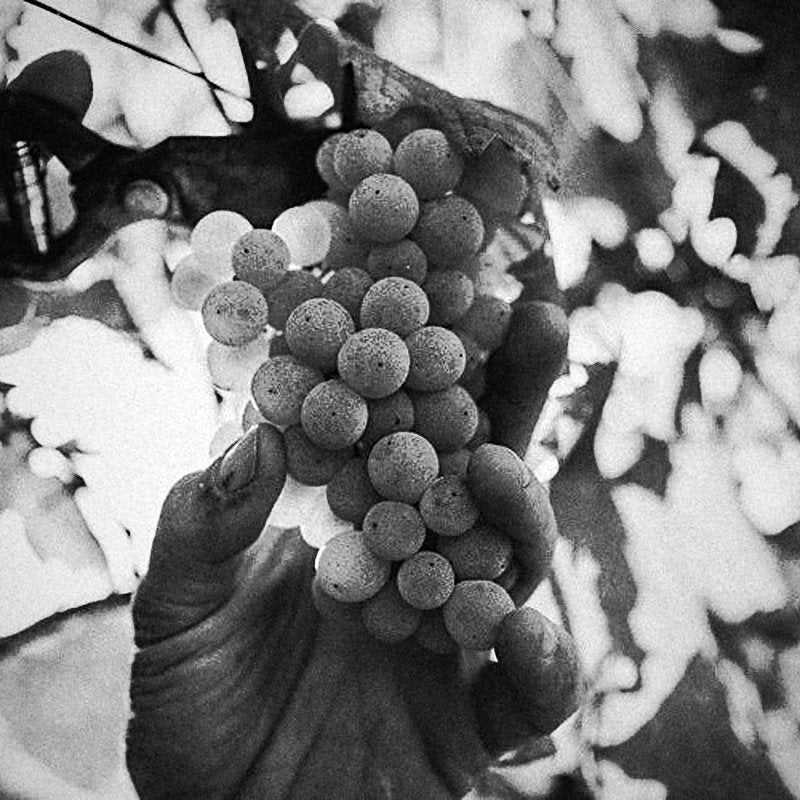
Small estates and independent winemakers make these wines in limited quantities.
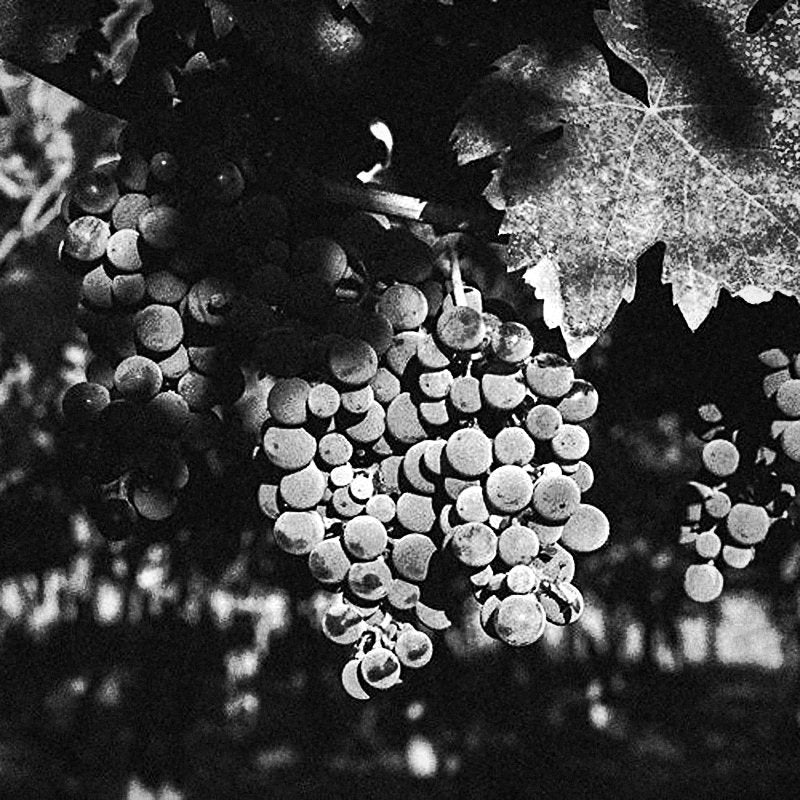
Our producers add little or no sulfur during winemaking and at bottling.
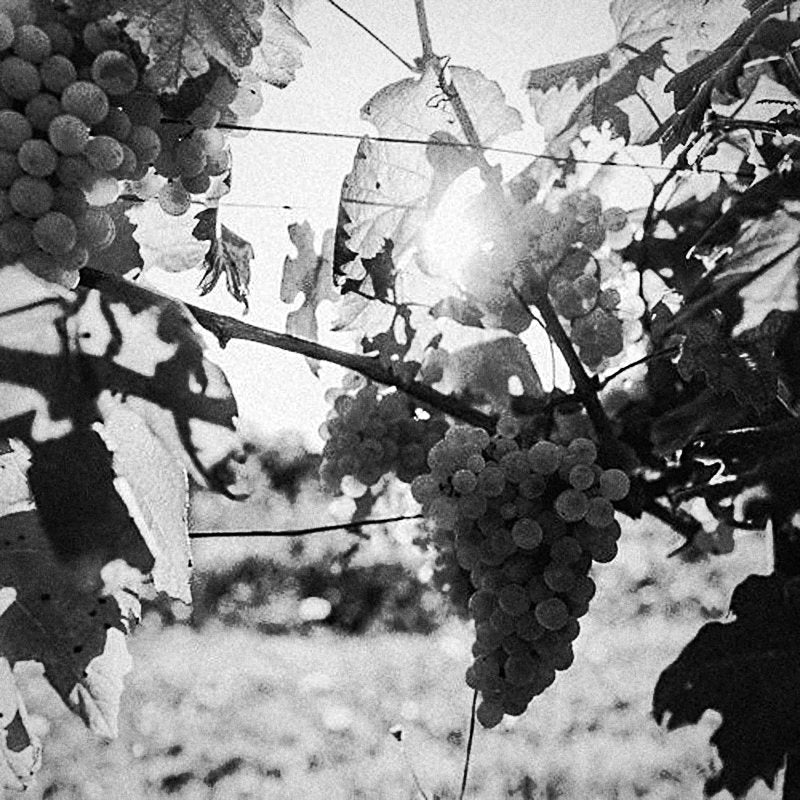
Sustainable, organic, biodynamic, regenerative, or dry-farming.
Our wine club is the best way to discover classic and natural wines. You can customize it through our wine club wizard.

I love these curated boxes! Every bottle has been amazing and I love having a variety of different wines to choose from.
Love the variety of quality wines. Never open something I don't like or enjoy trying!
I love my Primal Wine selections. They feel really creatively and intentionally curated, and I always find something new I like. It's also really fun that they come with a recipe. If you're looking for something new and different in your wine rotations, this is a great membership.
I’m so happy that this place exists! I love natural wine, but there is not a huge selection where I live. I love having this on hand, especially when people come over and want to try something fun. I might love some wines more than others, but have never been disappointed. In other wine subscriptions I’ve done, there’s usually a dud, but it’s so impressive how good these all are. I love the descriptions that come with it. I highly recommend!

I'm Guido Cattabianchi. I founded Primal Wine by myself in 2018, as a passion project, and I still choose the wines we sell.
Recognized among the best natural wine retailers and clubs in the country.
"We included Primal Wine among America's 50 best natural wine retailers in our print edition."

"Best natural wine club: many would agree that Primal's selection is among the best."

"Primal Wine curates an excellent selection of wines you most likely aren't familiar with."

"A storefront to bookmark if you're looking to get funky with your drinking habits."

"Best wine subscription services: Primal Wine Club is great for beginners to natural wine."

"Wines that taste like Williamsburg, a hip neighborhood in Brooklyn, New York."

"This box from Primal included reds, an orange, and a white, and came with a worksheet to jot down my notes."

"In the 2024 USA Today 10BEST edition, Primal Wine is once again a runner-up in the best wine club category."

Natural wine is, first and foremost, a farming product. No pesticides in the vineyard, and low intervention is preferred in the cellar. Ethical practices are respected throughout the entire process, especially labor practices.
Not all organic wines are natural, but all natural wines use organically or biodynamically grown grapes, usually hand-harvested. Natural wine has no added or minimal added sulfites (very low sulfites, at 10-80 ppm versus the allowed 350 ppm).
Natural wine can be cloudy or retain sediment due to a lack of fining and filtration (clarification). It might be earthy, slightly effervescent, wild, enjoyably unpredictable, always endlessly interesting. We are aware that it can be an acquired taste, but that's also the beauty of it. Discovery.
Like every other type of wine, any other product really, natural wine can be well-made or poorly made; good or bad. We eschew dogmatism in favor of constant exploration of this fascinating category, selecting our wine based on strict criteria. Yes, natural wine must taste good.
Natural wine stands out for its food-friendly character. Vibrant acidity, lower alcohol levels, textural depth, and clean fruit expression allow natural wine to complement a wide range of dishes. The inherent freshness and digestibility of natural wine mean it can accompany an entire meal without overwhelming the palate.
This versatility stems from balanced acidity, restrained alcohol, and the absence of heavy oak, excessive extraction, or heavy-handed winemaking that can compete with food.
Temperature matters when serving natural wine. Natural white wine and natural rosé taste best well-chilled, between 45-55°F. Natural red wine benefits from a slight chill, around 55-65°F—cooler than typical room temperature. Natural sparkling wine should be served cold, between 40-50°F. Chilling preserves freshness, tempers alcohol, and improves drinkability across all styles.
Many natural wines improve with air. After opening, aromatics develop, any initial funky notes integrate, and flavors expand. Some natural wines taste even better on the second or third day as controlled oxygen exposure adds dimension.
Store opened natural wine in the refrigerator with a proper seal. Without elevated sulfur levels, natural wine oxidizes more quickly than conventional wine, though many bottles remain enjoyable for several days. Some natural wines actually gain interesting complexity through gradual oxidation.
Natural wine with visible sediment may require decanting or careful pouring. Sediment is harmless but can affect mouthfeel. Some drinkers pour slowly to leave sediment behind; others consider it part of what makes natural wine distinctive.
All of Primal Wine's wines are dry wines. A wine can be considered a dry wine when all the grape sugar has been fermented into alcohol and CO2 by yeast. A dry wine, somewhat improperly but not incorrectly, can be defined as sugar free. All the sugar has been transformed into something else during fermentation.
This is not something exceptional. In fact, most of the wine on the market is fermented dry. Unless we are talking about very specific wines – some sparkling wines, dessert wines, wines used in religious ceremonies, or easy-to-identify mass-produced wine where high residual sugar is a stylistic choice.
Overemphasizing how we sell "zero sugar" wine is not what we do at Primal Wine – that's not our marketing angle. But by virtue of selling dry wine, we are selling "no sugar" or "sugar free" wine. I hope this clarifies some misconceptions about wine. Once again, most wine is dry. Making dry wine is the norm. Making sweet, high-sugar wine is the exception.
When I founded Primal Wine, I didn't think I would change the world or any other nonsense like that. I wanted to create a well-designed and easy-to-use online store focused on natural wine; it's as simple as that. At the time, to my surprise, except for websites run by brick-and-mortar stores, there was no online wine store solely focused on natural wine. With Primal, I just wanted to freshen up the online natural wine scene. I wanted to offer a convenient way for people who don't live in highly gentrified areas of major US cities – where let's face it, most natural wine is concentrated – to access natural wine. And the response has been incredible. We must be doing something right. Andiamo belli!
Joining one of Primal's Natural Wine Clubs offers a variety of benefits:
This is what we offer now, and that's the best we can do. But we are always open to suggestions and love to hear what you think we could do to improve our Primal Natural Wine Clubs. Don't hesitate to contact us with any feedback.


A pioneering urban winery in Berkeley's Gilman District that helped define California natural wine, fermenting organically farmed fruit with nothing added and little or no sulfur.

One of France's youngest natural vignerons, Edouard Adam farms a gifted Languedoc plot at Mas Cambounet with zero chemistry and a palindrome for a name.

Quentin Bourse farms 12 biodynamic hectares in Azay-le-Rideau with an intensity that belies his modest output, coaxing Chenin Blanc, Grolleau, and Gamay from clay-silica soils into some of the Loire's most honest and compelling natural wines.

An Austrian natural-wine star, Christian Tschida makes zero-sulfur, unmanipulated wines by Lake Neusiedl and calls himself a tuner, not a winemaker.

It is in the ruggedly beautiful hills near Teramo, in the Abruzzo region of central Italy about 8km from the crystalline Adriatic sea...

An Austrian estate where every cuvee is a fictional family member with its own face and personality, made from biodynamic Burgenland vineyards around a restored 17th-century manor.

Valpolicella is versatility in a glass—cherry-bright Valpolicella, velvet Ripasso, and contemplative Amarone, all shaped by limestone and volcanic slopes from Classica to...

Etna is energy in a glass: Nerello Mascalese and Carricante channel lava flows, altitude, and contrade into wines of mineral drive, citrus,...

Barolo is Nebbiolo at its most articulate—perfume and power shaped by Tortonian and Serravallian soils across nine communes and 170+ MGAs. Our...

Valtellina is Nebbiolo in alpine relief: chiselled acidity, fine tannins, and mineral lift from sunlit, terraced slopes. Our guide maps subzones—Sassella, Grumello,...

Molise, Italy's second smallest region, is a hidden gem with a rich cultural and natural heritage. Nestled between the Apennine Mountains and...

Valle d'Aosta, in the heart of the Italian Alps, is renowned for its stunning mountain landscapes, rich cultural heritage, and exceptional wines....

Terroir is the way a place shapes a wine: its climate, soil, landscape and living things, and the knowledge the people there built up about farming it and making wine from it. This guide checks seven common beliefs about terroir against published research, from soil and old vines to microbes, climate change and wine law.

Minerality is a word tasters use for wines that seem to taste of stone, chalk or salt. Wine experts do not agree on what it means. Studies link it to acidity, less fruit and sulfur compounds that form during winemaking, and the minerals in the soil are not the source.

Lambrusco is a family of red grape varieties from Emilia-Romagna, and the lightly sparkling wine made from them, mostly red and frizzante. This guide covers the grapes, the appellations, tank and bottle fermentation, the sweetness terms, the Riunite years and how to serve it.

Orange wine is white wine made the way red wine is made: white grapes ferment with their skins for days, weeks or months, which gives the wine an amber color and tannin. It is also called amber wine or skin-contact white, and it contains no oranges. This guide covers the official definitions, how it is made, its history in Georgia and Friuli, the grapes, and how to serve it.

Most wine is dry because yeast turns the sugar in grape juice into alcohol, and a fermentation left to finish usually keeps under about 2 grams of sugar per liter. This guide covers how wines keep their sugar, the EU scales for still and sparkling wine, the Riesling scales, Port and Tokaji, and which wines have added sugar.

Some natural wine has faults, and it has always depended on the producer. Many natural producers add little or no sulfur dioxide, which leaves their wine more exposed to oxidation, Brettanomyces and mousiness. Where a fault begins is also partly a matter of taste.
Explore the cellar, or let us choose for you with a curated natural wine club shipment.


