Vegan wine is wine made without animal products. In practice that means no animal-derived fining agents, such as gelatin, isinglass (from fish), casein (from milk) or egg white, which winemakers use to clear a wine and soften its tannins. A vegan wine is fined with plant or mineral products, or not fined at all.
Neither the US nor the EU has a legal definition of vegan food or wine, and US labels do not have to list fining agents. A vegan certification mark, or the producer’s own information, is the reliable way to know.
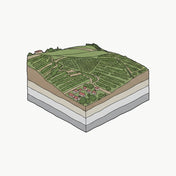
 Abruzzo: red
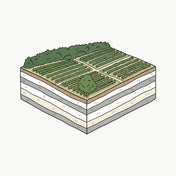
 France: white
 Sicily: rosé
Why some wine is not vegan
Fining adds a substance to wine that binds to particles, tannins or other compounds so they can be removed. Winemakers fine to make a wine clear and stable, or to change its taste, for example to reduce bitterness or astringency. A 2019 review of fining research notes that removing phenolic compounds often relies on animal proteins: casein, gelatin, egg and fish proteins.
The fining agent is removed along with what it binds, but it has still been used to make the wine. Vegan standards judge what was used, not what is left in the bottle, so a wine fined with egg white or gelatin is not vegan.
According to Decanter, many natural wine producers do not fine or filter their wines at all.
Animal and vegan fining agents
Scroll the table sideways to see every column
| Fining agent | What it is | Vegan | EU | US |
|---|---|---|---|---|
| Gelatin | Animal protein | No | Authorized | Authorized |
| Isinglass | Protein from fish swim bladders | No | Authorized | Authorized |
| Casein | Milk protein | No | Authorized | Authorized |
| Egg white (albumin) | Egg protein | No | Authorized | Authorized |
| Chitosan | Made from a fungus, Aspergillus niger, for wine | Yes | Authorized | Authorized, against spoilage yeast |
| Bentonite | Clay | Yes | Authorized | Authorized |
| Pea protein | Plant protein | Yes | Authorized | Not on the US list |
| Potato protein | Plant protein | Yes | Authorized | Authorized |
| PVPP | A polymer used to clarify wine and remove color | Yes | Authorized | Authorized |
| Silica (silicon dioxide) | Mineral | Yes | Authorized | Authorized |
The EU list is in Delegated Regulation (EU) 2019/934 and the US list in 27 CFR 24.246. Activated carbon for wine is usually made from wood, but animal charcoal also exists, and the V-Label vegan standard excludes products bleached with it.
Do fining agents stay in the wine?
Studies have mostly found no detectable residue:
- A 2008 Australian study tested 153 bottled wines for casein and egg protein and found residues in none of them, except two red wines known to contain added whole eggs.
- In a 2009 German study, 14 adults with egg, milk or fish allergies drank wines fined at high doses with egg, casein, fish gelatin or isinglass and then filtered. None of them reacted.
These results matter for allergies, not for vegan status. A vegan certification looks at the products used during winemaking, so a wine fined with an animal product stays non-vegan even when no trace of it remains.
What the label tells you
- European wine
- Since the 2012 harvest, EU wine labels must say “contains egg” or “contains milk” (or show a pictogram) when egg or milk fining agents can be detected in the finished wine. The International Organisation of Vine and Wine (OIV) sets 0.25 mg/L as the detection limit that lab tests for these residues should reach. Isinglass is exempt from allergen labeling, and gelatin is not an allergen, so neither has to appear.
- The EU ingredient list
- Since December 8, 2023, EU wines carry an ingredient list, often behind a QR code. Processing aids are left off it unless they are allergens. Our reading of the rules: gelatin, isinglass and pea or potato protein never appear on the list, so an ingredient list alone cannot show that a wine is vegan.
- American wine
- US labels do not need an ingredient list, and allergen statements are optional. A winery that lists one allergen must list all of them, fining agents included. The Alcohol and Tobacco Tax and Trade Bureau (TTB) proposed mandatory allergen labeling in January 2025, including fining agents; as of October 2026 it is not a final rule.
How to tell if a wine is vegan
- Look for a vegan certification mark: the Vegan Trademark from The Vegan Society, the V-Label or BeVeg. Each one means a third party checked the products used to make the wine.
- Look for “unfined” on the label or in the producer’s notes. A wine made with no fining agent avoids the main animal product used in winemaking.
- Ask the producer or the shop which fining agent was used, if any.
- On a European bottle, “contains egg” or “contains milk” means the wine is not vegan. The absence of those words does not prove it is.
Vegan certifications for wine
- Vegan Trademark (The Vegan Society)
- Created in 1990 by the British charity that coined the word vegan in 1944. The product and its ingredients must not involve any animal product, by-product or derivative, and no animal testing. Renewed every year.
- V-Label
- An international label. Its criteria exclude animal ingredients, processing aids and substances clarified with animal products such as gelatin or fish bladder, as well as beeswax and animal charcoal. Licensees accept regular audits.
- BeVeg
- A vegan standard accredited under ISO 17065. It bans animal ingredients in processing, clarification, filtration and manufacturing.
None of the three requires animal-free farming. BeVeg states that extending vegan certification to soil practices is not practical at this time.
Beyond fining: the vineyard and the bottle
- Fertilizer: EU organic farming allows farmyard manure, composted animal manure, blood meal, horn meal and bone meal.
- Biodynamic preparations: Demeter certification requires preparation 500, cow manure packed into a cow horn and buried over winter.
- Corks: cork stoppers are usually coated with paraffin, silicone or both. The cork maker Amorim has tested beeswax as a replacement.
- Labels: casein glue, made from milk protein, is sold for labeling wine and beer bottles.
Vegan certifiers judge the winemaking and do not cover these farming practices.
Are organic, biodynamic and natural wines vegan?
- Organic wine
- Not necessarily. EU organic rules allow fining with gelatin, isinglass, casein and egg albumin, and the US organic rules allow gelatin. See the organic wine guide.
- Biodynamic wine
- Not necessarily. Demeter’s US standard allows fining with egg whites and milk, and biodynamic farming uses preparations made with cow horns and manure. See the biodynamic wine guide.
- Natural wine
- Often unfined, but natural wine has no legal definition. Wines certified under the French Vin Méthode Nature charter can have nothing added in the cellar except sulfites, so they are unfined. See the natural wine guide.
Does vegan wine taste different?
Fining can change how a wine tastes, and different agents remove different compounds. A 2020 study on red wines found that one pea-based agent removed about as much of the compounds behind astringency as gelatin did. The results varied with the agent, the dose and the wine.
Vegan wine covers every grape, region and color, so it has no single taste. These 4 tasting notes appear more often than any others across the vegan wines we list.
 Lemon peel
The zest and pith of citrus, with a slightly bitter edge
 Grapefruit
Tart, slightly bitter citrus
 White peach
Soft, juicy stone fruit
 Flower
A light floral scent
Common questions about vegan wine
- What is vegan wine?
- Wine made without animal products, most of all without animal-derived fining agents such as gelatin, isinglass, casein or egg white.
- Why is some wine not vegan?
- Many winemakers clear and soften their wines with fining agents made from animals: gelatin, isinglass from fish, casein from milk or egg white.
- Is all natural wine vegan?
- No. Many natural wines are unfined, but natural wine has no legal definition. Wines certified under the French Vin Méthode Nature charter are made with nothing added except sulfites.
- Is organic wine vegan?
- Not necessarily. EU organic rules allow gelatin, isinglass, casein and egg albumin, and US organic rules allow gelatin.
- Is unfined wine vegan?
- An unfined wine uses no fining agent, which removes the main animal product in winemaking. Certifiers also check other processing aids, so unfined is not the same as certified vegan.
- Is there a vegan wine label?
- There is no legal one in the US or the EU. Private certifications include the Vegan Trademark from The Vegan Society, the V-Label and BeVeg.
Sources
- Marangon, Vincenzi and Curioni (2019): wine fining with plant proteins
- Río Segade et al. (2020): potato and pea fining agents in red wines
- Decanter: what is fining in wine?
- EU: Delegated Regulation (EU) 2019/934, authorized winemaking practices
- US: 27 CFR 24.246, materials authorized for treating wine
- EU: Regulation (EU) 1169/2011, food information and allergens
- EU: Delegated Regulation (EU) 2019/33, wine labeling
- EU: Implementing Regulation (EU) 579/2012, egg and milk labeling on wine
- EU: Regulation (EU) 2021/2117, ingredient list on wine labels
- OIV: resolution OIV-COMEX 502-2012, detection limits for fining residues
- TTB: allergen labeling FAQ
- TTB: proposed allergen labeling rule (2025)
- Rolland et al. (2008): fining protein residues in Australian wines
- Kirschner et al. (2009): fined wines and allergic adults
- FoodDrinkEurope, EuroCommerce and EVU (2023): no legal definition of vegan food in the EU
- The Vegan Society: Vegan Trademark standards
- V-Label: vegan criteria
- BeVeg: vegan certification standards
- EU: Implementing Regulation (EU) 2021/1165, organic fertilizers and wine additives
- US: 7 CFR 205.606, gelatin in organic products
- Demeter USA: farm standard
- Demeter USA: processing standards
- Syndicat de défense des vins naturels: the Vin Méthode Nature charter
- Mendes (2019): cork stopper coatings, Amorim research
- Intercol: casein label glue
Keep reading
The vegan wine collection lists the vegan wines we carry. The organic and natural wine guides cover what those labels allow in the cellar.
Shop vegan wine Read the organic wine guide Read the natural wine guide Read the biodynamic wine guide