Priorat is a small mountain wine region in the province of Tarragona, in Catalonia, in northeast Spain. Its vines grow on steep slopes of a brittle slate that locals call llicorella, and most of its wine is red, made from Garnatxa (Grenache) and Carinyena (Carignan). Spain ranks Priorat as a DOCa, short for Denominación de Origen Calificada, a higher class of appellation (a legally defined wine region with its own rules) that Spain reserves for wines with a long record of consistent quality. Rioja and Priorat were the first 2 regions to hold it. In Catalan the rank is written DOQ.
This guide belongs to our series on Spanish wine regions. For the wider region around Priorat, read our guide to Catalonia.
History of Priorat
The region takes its name from the Carthusian monastery of Scala Dei, the Priory of the stairway of God. According to the consell regulador, the body that governs the appellation, Carthusian monks came from Provence in the 12th century and brought the knowledge to establish a winegrowing culture. The order settled in 1194. Local legend says a shepherd saw angels climbing a staircase to heaven from the tallest pine in the valley, and the monks built their altar where that tree stood. The ruins of the monastery still stand below the cliffs of the Montsant range.
The first 6 municipalities of today's appellation made up the monks' territory, the historic Priorat, and the official boundary drawn in 1932 added the rest.
Phylloxera, an insect whose root-feeding form wounds the roots of European vines, reached Priorat in 1890. The consell regulador writes that the growth of the Catalan textile industry drew workers to the cities at the same time, so growers replanted only on a small scale. Carles Pastrana of Costers del Siurana told Decanter that after phylloxera, people tended to replant with Cariñena because it was easier to grow and gave higher yields. By the 1980s the region was poor and losing people, and growers were pulling up vineyards each year to plant olive and almond groves.
René Barbier bought his first plot in Priorat in 1979. He and a small group of winemakers bought old vineyards around the village of Gratallops, rebuilt the stone terraces, and from 1989 made their first wines together. The group included Álvaro Palacios, who had left his family's business in Rioja, Josep Lluís Pérez, Daphne Glorian and Carles Pastrana. Wine Spectator reported that each member agreed to buy at least 7 acres of vineyard and that they shared one cellar for the first vintages. Their wines took the names Clos Mogador, Clos Dofí, Clos Martinet, Clos Erasmus and Clos de l'Obac. In 1992 the partners went their separate ways. Decanter credits the 1989 Clos vintage with bringing Priorat back to international attention.
Local families started their own cellars through the 1990s, which Decanter calls Priorat's second wave, and the old village cooperative wineries declined. The Catalan government approved Priorat's DOQ status in 2000, and on July 6, 2009, Spain confirmed it as a DOCa at the national level. Decanter's Miquel Hudin describes a third wave since then, with less oak, shorter hang time for the grapes on the vine, and fewer French varieties in the blends.
Terroir of Priorat
Priorat sits in the Prelitoral range about 16 miles (25 kilometers) from the Mediterranean. The appellation's official specification bounds it with the Serra de Montsant to the north, the ridges of El Lloar and La Figuera to the west, and the Serra del Molló to the east. The Siurana river runs through it from northeast to southwest. The appellation covers about 43,560 acres (17,629 hectares), and the consell regulador counts just over 4,940 acres (2,000 hectares) of vineyards and 109 wineries.
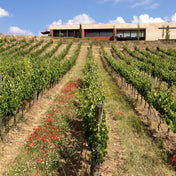
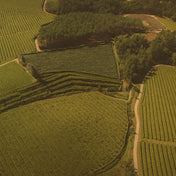
Vineyards climb from about 330 feet (100 meters) above sea level around Bellmunt del Priorat and El Molar to 2,460 feet (750 meters) around La Morera de Montsant and Porrera. Most slopes are steeper than 15 percent, and some estates farm slopes of 60 percent. Growers call these steep sites costers, the Catalan word for steep slopes. On the steepest ground they built terraces, some so narrow that they hold only 2 rows of vines and no tractor can work them.
The appellation is divided into 12 zones, most of them named for a village: Bellmunt del Priorat, Gratallops, El Lloar, La Morera de Montsant, Porrera, Poboleda, Scala Dei, Torroja del Priorat, La Vilella Alta and La Vilella Baixa, plus the growing areas of Masos de Falset and Solanes del Molar.
The Geology of Priorat
The official specification describes Priorat's hills as Paleozoic rock, mostly slates from the Devonian and Carboniferous periods, formed between 416 and 318 million years ago. These are among the oldest rocks at the surface in Catalonia. In places the slate gives way to outcrops of rock formed deep underground, which the specification calls hypogenic.
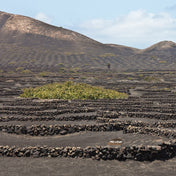
The soils are thin. They usually have a single layer, with bedrock about 4 to 6 inches (10 to 15 centimeters) below the surface, and they hold little organic matter. Most of the soil comes from broken-down slate, the llicorella: flat, brittle stones of a dark copper color. Vine roots push down between the layers of slate to find water and nutrients.
- Llicorella slate: covers most of the appellation. Decanter's Stephen Brook describes the soil away from the edges of the region as pure slate or schist with almost no topsoil, over water that deep roots can reach.
- Clay and flint: Ricardo Pasanau told Decanter that his vineyards at La Morera, in northern Priorat, grow on flint and clay as well as slate.
- Red stony soils: Decanter reports red stony soil as well as slate on the Bellmunt estate that Pere Rovira bought in 1998, in southern Priorat.
Low yields follow from these soils. The consell regulador puts the average at less than 2.2 pounds (1 kilogram) of grapes per vine.
Climate and its Influence
The mountains shelter Priorat from the sea, and the Serra de Montsant blocks the cold north winds. The official specification links this position to wide swings in temperature between day and night. The average annual temperature is 57 to 59°F (14 to 15°C), and average rainfall is 16 to 20 inches (400 to 500 millimeters) a year.
Winds from the northwest dry the surface of the soil after rain. The specification credits the dry climate and the hard ground with keeping the vines small and disease low. The harvest runs long: it starts around mid-September in Bellmunt and El Lloar and continues to the end of October or early November in Porrera and La Morera de Montsant, where the vineyards sit higher.
The Grapes of Priorat
The consell regulador calls Garnatxa and Carinyena the DNA of Priorat. Both are native varieties, and red grapes make up most of the plantings. The rules recommend those 2 red grapes and permit a longer list of others.
Red Grape Varieties
- Garnatxa Negra (Grenache): one of the 2 recommended red grapes. Decanter reports that Garnacha-based wines can reach 15.5 percent alcohol yet keep fresh acidity.
- Carinyena (Carignan, also called Cariñena or Mazuelo in Spanish): the other recommended red grape. Decanter reports that many of the oldest vines in Priorat are Carinyena, some up to 100 years old. Brook adds that Carinyena needs to be at least 15 years old before its wine becomes interesting, so growers are slow to plant it.
- Garnatxa Peluda: a permitted variety the consell regulador translates as Hairy Grenache.
- Other permitted reds: Tempranillo, Picapoll Negre, Cabernet Sauvignon, Cabernet Franc, Pinot Noir, Merlot and Syrah. The founders of the 1989 revival planted Cabernet Sauvignon, Syrah and Merlot next to the old Garnatxa and Carinyena.
White Grape Varieties
- Garnatxa Blanca (White Grenache).
- Macabeu, written Macabeo in Spanish.
- Pedro Ximénez, Chenin Blanc, Muscat of Alexandria, Muscat Blanc à Petits Grains, Xarel·lo and Picapoll Blanc, all on the list of permitted white varieties. The wine registry of the consell regulador also lists Pansal and Viognier.
Top Wines of Priorat
Priorat makes white, rosé, red, sweet and ranci wines, and most of its vineyards grow red grapes. Its labels follow a quality pyramid that the consell regulador calls "the names of the land." Each step up names a smaller, more defined place.
- DOQ Priorat: wine made from grapes grown anywhere in the appellation.
- Vi de Vila (village wine): wine from grapes grown within a single one of the 12 zones. Decanter dates the village wine system to 2009.
- Vi de Paratge (site wine): wine whose character the consell regulador ties to the slope, geology and local climate of one defined site.
- Vinya Classificada (classified vineyard): wine from a single vineyard of exceptional quality, bottled on its own.
- Gran Vinya Classificada (great classified vineyard): the top step, which the consell regulador reserves for very rare vineyards.
Red Priorat: most reds blend Garnatxa and Carinyena, often with Syrah or Cabernet Sauvignon. Clos Mogador, from René Barbier's family in Gratallops, carries the Vinya Classificada label, and the winery's technical sheet lists the 2021 as 45 percent Garnatxa, 29 percent Carinyena, 16 percent Syrah and 10 percent Cabernet Sauvignon, fermented with native yeasts. Álvaro Palacios makes L'Ermita, which Decanter calls one of Spain's most expensive wines, from mostly old vines.
Ranci: a traditional wine aged in wood in contact with air, a method called oxidative aging. The specification requires at least 15 percent natural alcohol and at least 5 years of aging, and it bans adding grape spirit to it. Producers may also use sol i serena (sun and night air), a faster oxidation method the rules allow. A ranci with 45 grams or more of residual sugar per liter counts as a ranci dolç, a sweet ranci.
Sweet and fortified wines: the rules define vi dolç natural, made from very sweet must (the pressed grape juice before fermentation) that ferments only part of the way. Producers may stop fermentation by adding grape spirit once the wine reaches 7 percent alcohol on its own.
Cuisine and Typical Products of Priorat
Vineyards share the Priorat county with terraces of olive trees, and farmers around Falset also grow hazelnuts and almonds. The county tourism office lists olive oil, nuts, garden produce, aromatic herbs, meats and traditional preparations among the foods of its table.
Siurana Olive Oil
Priorat's extra virgin olive oil carries the DOP Siurana seal, a protected designation of origin. Spain's agriculture ministry dates the Siurana designation to 1979 and names Arbequina as its base olive variety. The county's Olive Oil Trail takes visitors to local mills.
Typical Foods of Falset
Falset, the county seat, lies partly in DOQ Priorat and partly in DO Montsant. The Priorat tourism office lists these as typical products of the town:
- Hazelnuts and almonds, along with olive oil, honey and a range of pork products.
- Coques maurades, savory pastries, and coques d'ou i de farina, cakes made with egg and flour.
- Castellets de Falset, biscuits made with hazelnuts and almonds. Catalonia's tourism board suggests them with the county's sweet Garnatxa wines or its ranci.
- Neules, rolled wafers, and torrons, a kind of almond nougat.
- Beans and cod in romesco, a sauce made with nuts.
- Salted sardines on toast, roasted onions and garlic, and fig cake.
Catalonia's tourism board also names salt herring with juice, a stew of legumes with crumbled herring, as a typical Falset dish. The county wine fair, the Fira del Vi, takes place in Falset in early May and pours wines from both DOQ Priorat and DO Montsant.
Common questions about Priorat wine
Where is Priorat?
Priorat is in the province of Tarragona, in Catalonia, in northeast Spain, about 16 miles (25 kilometers) inland from the Mediterranean. The Serra de Montsant forms its northern edge, and the Siurana river runs through it. The appellation covers 9 municipalities, including Gratallops, Porrera and Poboleda, plus parts of Falset and El Molar.
What grapes are grown in Priorat?
Red grapes dominate. The rules recommend Garnatxa (Grenache) and Carinyena (Carignan), and they permit Syrah, Cabernet Sauvignon, Merlot and a few other reds. White grapes include Garnatxa Blanca, Macabeu and Pedro Ximénez.
What is llicorella?
Llicorella is the local name for the slate that makes up most of Priorat's soil. It formed between 416 and 318 million years ago and breaks into flat, brittle stones of a dark copper color. The soil above it is about 4 to 6 inches (10 to 15 centimeters) deep, so vine roots grow down between the slate layers for water.
Is Priorat a DOCa?
Yes. The Catalan government granted Priorat its top rank, written DOQ in Catalan, in 2000. Spain confirmed it as a DOCa at the national level on July 6, 2009. Rioja and Priorat were the first 2 Spanish regions with that rank.
What is the difference between Priorat and Montsant?
They are 2 separate appellations in the same county. DO Montsant forms a horseshoe around DOQ Priorat and became a DO at the regional level in 2002. Both grow Garnatxa and Carinyena, but Montsant's soils mix limestone clay, granite sand and some slate, while Priorat sits mostly on llicorella slate.
Photo: Alberto-g-rovi, CC BY-SA 3.0