Glera: The Grape Behind Prosecco

Colored pencil drawing of a bunch of Glera grapes
Also known as
Prosecco (until 2009), Serprino
Color
White
Origin
Northeastern Italy, near the border with Slovenia
Flavors
Neutral; green apple, pear
Styles
Spumante, frizzante, still
Key wines
Prosecco, Conegliano Valdobbiadene Prosecco, Asolo Prosecco
Blended with
Verdiso, Bianchetta Trevigiana, Perera; Pinot Nero in Prosecco Rosé

Glera is the white grape behind Prosecco. It has a mostly neutral flavor. Producers use it above all for spumante (fully sparkling) and frizzante (lightly sparkling) wines, and some make still versions.

Why the grape changed its name

Until 2009 the grape itself was called Prosecco. That year the EU renamed it Glera, so that Prosecco works only as a protected place name. Since then, a producer outside the zone cannot call a sparkling wine Prosecco by naming the grape on the label.

Where it grows

Glera comes from northeastern Italy, near the border with Slovenia, possibly from the village of Prosecco near Trieste. The Colli Euganei rules call it by a local name, Serprino.

How the wine tastes

Expect a neutral white with green apple and pear.

Where you find it

DOC (Denominazione di Origine Controllata) and DOCG (Denominazione di Origine Controllata e Garantita) are Italy's protected appellations. DOCG is the stricter tier. Each one sets which grapes the wine must contain.

  • Prosecco DOC: at least 85% Glera in the still, spumante and frizzante wines. The rest can come from 8 named grapes, among them Verdiso, Bianchetta Trevigiana and Perera.
  • Prosecco Rosé: 85 to 90% Glera with 10 to 15% Pinot Nero, and no other grape. The rules added it in 2020.
  • Conegliano Valdobbiadene Prosecco DOCG and Asolo Prosecco DOCG: the 2 hillside zones. Conegliano Valdobbiadene allows up to 15% Verdiso, Bianchetta Trevigiana, Perera and Glera Lunga.

Sources: Wikipedia, Prosecco DOC rules, Conegliano Valdobbiadene DOCG rules.

Illustration based on a photo by Ursula Brühl, Julius Kühn-Institut (JKI), CC BY-SA 4.0, via Wikimedia Commons

Wines made from Glera

Shop all Glera wines

Italian Wine Regions

Pencil color illustration of Valpolicella - primalwine.com
Valpolicella is versatility in a glass—cherry-bright Valpolicella, velvet Ripasso, and contemplative Amarone, all shaped by...
Pencil color illustration of Mount Etna - primalwine.com
Etna is energy in a glass: Nerello Mascalese and Carricante channel lava flows, altitude, and...
Ink drawing of a hilltop village in the Langhe above the Nebbiolo vineyard rows of Barolo
Barolo is Nebbiolo at its most articulate—perfume and power shaped by Tortonian and Serravallian soils...

French Wine Regions

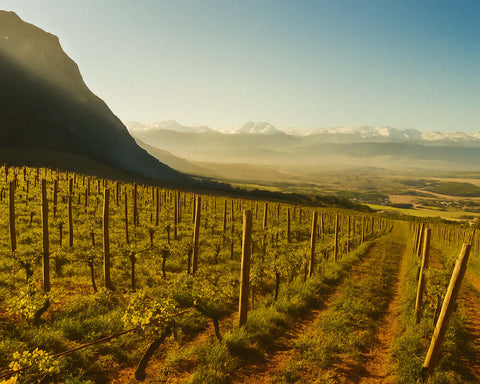
Savoie Wine Region - primalwine.com
Savoie, nestled in the heart of the French Alps, represents one of France's most distinctive...
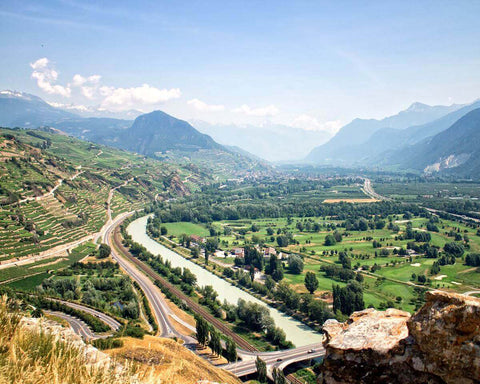
Rhône Valley French wine regions blog, landscape photo from above, natural wine, primal wine - primalwine.com
The Rhône Valley, in southeastern France, borders the Alps to the east and the Massif...
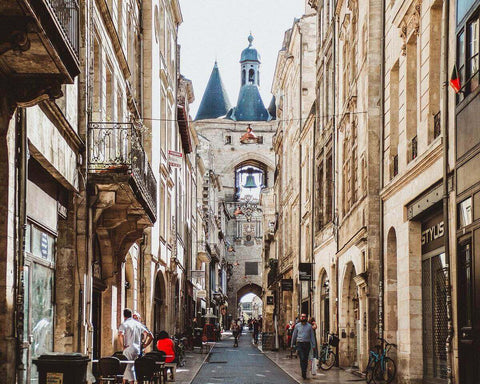
Bordeaux French wine regions blog, photo of a Bordeaux alley and monuments, natural wine, primal wine - primalwine.com
Bordeaux, located in southwestern France, is bordered by the Atlantic Ocean to the west and...

Natural Winemakers

Maria and Sepp Muster, natural wine producers in Southern Styria, Austria
Maria and Sepp Muster farm ten hectares of Demeter-certified biodynamic vineyards above Leutschach in Southern Styria, crafting textural, mineral whites from the region's distinctive Opok marl soil.
Possa, natural wine producer in Cinque Terre, Liguria, Italy
Heydi Bonanini practices heroic viticulture on terraced cliffs above Riomaggiore, producing Cinque Terre whites and the legendary Sciacchetra from rescued indigenous varieties.
Weingut Niklas, natural wine producer, in his vineyard in Alto Adige, Italy
Weingut Niklas is a family-run Alto Adige estate in Kaltern where Dieter Solva farms 7 hectares of calcareous mountain soils to produce precise, aromatic whites and structured Lagrein reds that have carried the family name for over 50 years.