You can almost see Barcelona from the vines. Alta Alella sits inside the Serralada de Marina Natural Park, a little over a mile from the Mediterranean and 20 minutes from the city.
Backstory
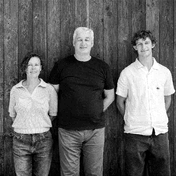
Josep Maria Pujol-Busquets and Cristina Guillen founded Alta Alella in 1991 as a passion project on the heights above the town of Alella. The family has farmed organically from the very beginning, decades ahead of most of their peers in the area, and built the estate around the idea of capturing one specific coastal terroir in the glass.
The Region
Alella is one of Spain's smallest appellations, a sliver of coast just north of Barcelona squeezed between the growing city and the sea. The defining feature is the soil: saulo, a white granite-based sand with low pH, low organic matter, and excellent drainage that stresses the vines and concentrates the fruit. The local white grape is Pansa Blanca, the Alella name for Xarel-lo.
Vineyards and Farming
The Alta Alella terraced vineyards lie within the protected natural park, whose populations of birds and bees provide natural pest control. Farming has been organic since 1991. Plantings center on Pansa Blanca, alongside Mataro (Mourvedre), Garnatxa Negra, Parellada, Macabeu, Chardonnay, and Pinot Noir, a mix of native and classic sparkling-wine varieties.
Winemaking
Around two-thirds of Alta Alella production is traditional-method sparkling wine, with the second fermentation in bottle. The estate also makes still whites and reds and experiments with amphora-aged, low-intervention bottlings, always working to capture the saltiness and minerality that the granite sand and sea air give the grapes.
The Wines
The Alta Alella sparkling range includes the Mirgin Brut Nature and Mirgin Rose, plus the Bruant Brut Nature and, at the top, the Laieta Gran Reserva Brut Nature, all built around indigenous Catalan grapes and finished bone dry. The estate also bottles still Pansa Blanca that captures the variety's saline, citrus-driven side, the freshest expression of the appellation's most planted grape. Together the wines show how distinctive bottles can be when the vines grow in granite sand within sight of the Mediterranean.