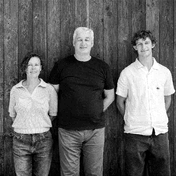
In 1998, brothers Gaetano and Pio Francesco Tamellini did something almost unthinkable in Soave: they walked away from the local cooperative their grandfather had helped found back in 1930, took the 15 hectares they had inherited, and decided to bottle under their own name. The bet paid off. Today Tamellini is one of the appellation's most respected estates, farming 50 hectares in the Costeggiola zone near the village of San Vittore and producing just three wines, all from 100% Garganega.
A Family Rooted in the Land
The Tamellini story begins with grandfather Ettore, who mortgaged his land in the 1930s to help establish the Soave cooperative with thirty other growers. His son Luigino continued the vineyard work and planted the first estate parcels in 1947, leaving behind a guiding principle the brothers still live by: "What you give to the land will come back to you a hundredfold." When Luigino fell ill, teenage sons Pio and Gaetano stepped into the rows, studying by day and farming by night -- Pio in chemical engineering, Gaetano in agriculture. After their father's death in 1997, they claimed their inheritance and their independence.
The Wines and the Grape
Every wine at Tamellini is Garganega, and only Garganega. The brothers work without herbicides or pesticides, relying on cover crops and copper-sulphur treatments to manage the vineyard. In the cellar, the philosophy is equally restrained: fermentations are gentle, oak is absent, and the goal is always to translate the volcanic basalt and limestone soils of Costeggiola into the glass. The result is Soave of unusual clarity and mineral persistence, more structured than the cooperative norm and built to age. A fourth generation -- Gaetano's children Leonardo, Giosuè, and Chiara -- now works alongside their father and uncle, ensuring the estate's future.
Why It Matters
Soave spent decades buried under a reputation for thin, industrial white wine. Tamellini, alongside a handful of other committed small producers, helped reverse that story. Their wines are a reminder that Garganega -- the grape that once made Soave famous -- is capable of genuine complexity when grown in the right place by people who truly care.
The Wines
The Tamellini wines we carry are Soave DOC. Bottles rotate with each vintage, and sold-out pages stay live so you can set a restock alert.