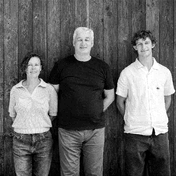
Iphofen is famous for textbook, polished Silvaner. Andi Weigand makes something different: fresh, cloudy, low-intervention wines from one of only two estates in the village that refuse to irrigate their vines.
Backstory
Weigand is a second-generation grower who took over his father's estate in Iphofen in 2015. From the start he steered the domain toward organic farming and minimal-intervention winemaking, building a small natural-wine label inside a region better known for its precise, conventional whites.
The Region
The estate lies in Iphofen, in Germany's Franken region, in the north of Bavaria. Franken is the historic home of Silvaner, traditionally bottled dry and mineral. Iphofen is one of its most respected villages, its reputation resting on distinctive Keuper soils, and Weigand leans into that geology rather than chasing fashionable grapes.
Vineyards & Farming
Weigand works around 10 hectares, certified organic under Naturland guidelines. The vineyards sit on Keuper, an old gypsum-rich stone he credits for the herbal, spicy freshness of his wines. He plants cover crops of buckwheat, borage, sunflower, and parsley among the vines to feed the soil and support biodiversity. Everything is hand-harvested, and the estate is one of just two in Iphofen that do not irrigate.
Winemaking
Fermentations are entirely spontaneous, carried out in both wood and stainless steel. Silvaner, the flagship grape, comes off vines that range up to 50 years old or more and ages on its lees, often a year in barrel. Whites are pressed on an old basket press, and his skin-contact wines ferment for months in qvevri and amphora. Weigand prefers to bottle without sulfur and without filtration, what he calls "zero zero." The exception is his "Wild" series, which receives a small dose of around 20 mg/L of sulfur and is allowed to settle rather than be bottled fully cloudy.
The Wines
The Silvaner is the heart of the Andi Weigand range, joined by Scheurebe, Riesling, Weißburgunder, and a Franconian white blend, plus rosé and reds from Domina and Spätburgunder. He even makes a Müller-Thurgau off 60-year-old vines, among the oldest of that grape anywhere. The entry wines are clean and direct, while the no-sulfur and skin-contact bottlings carry the cloudy texture and gentle grip of unfiltered natural wine. The wines are built for freshness and drinkability rather than weight: lively, textured, and unmistakably marked by Iphofen's gypsum soils. We also carry Zusammen.