Pantelleria floats in the Mediterranean between Sicily and Tunisia, closer to Africa than to the Italian mainland. The island is volcanic, windswept, and starkly beautiful -- and it has been making wine from Zibibbo grapes for thousands of years. Tanca Nica is a small, biodynamic project that takes this ancient terroir as its absolute starting point.
The Winemakers
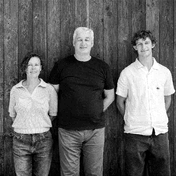
Francesco Ferreri was born on Pantelleria, son of a fishing family, but fell in love with wine as a teenager while working the family vines alongside his grandfather. He left the island for Conegliano to study enology, then spent years in wineries and labs before joining a biodynamic preparations company in New Zealand. It was there, surrounded by the southern hemisphere, that he felt the pull of his roots and decided to return. Nicoletta Pecorelli is originally from Sardinia; the two met by chance in Milan -- she was passing through to catch a flight home to Sardinia for the holidays. As Francesco puts it: "Tanca Nica is OUR project, not mine. Without her this would never have gotten off the ground." They founded the estate together in 2015.
The Vineyard
The estate covers 3.5 hectares spread across 15 parcels in nine contradas around the island. In the local Pantesco dialect, "tanca" means a small hilly plot of terraced land where vines grow -- which describes exactly what Francesco and Nicoletta steward. The soils are volcanic: pumice (soki soki), basalt-derived clay, and iron-rich lava fragments, each contrada with its own distinct mineral character. Viticulture here is extreme. The UNESCO-recognized Alberello Pantesco training system -- vines trained low in gobelet form, just centimeters from the ground to withstand the Sirocco winds -- requires approximately 800 hours of labor per hectare each year. Yields average around 20 hl/ha. Total production is roughly 4,000 bottles.
The Wines
Tanca Nica vinifies each parcel separately. Maceration times range from one day to three weeks depending on phenolic maturity. No sulfur is added to the cru wines. The primary variety is Zibibbo (the local name for Muscat of Alexandria), vinified into everything from bone-dry whites to the ancestral Passulata passito; Catarratto, Pignatello, Inzolia, and Alicante fill out the lineup. The wines are precise, volcanic, and unmistakably Pantescan.