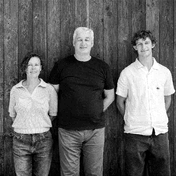
In the dramatic gorge where the Columbia River cuts through the Cascade Mountains, Jasper Smith and Ella McCallion are making something almost no one else in the United States makes: authentic Sagardo, the ancient bone-dry cider of the Basque Country.
Inspired by the Basque Cider Houses
Smith, originally from Portland, and McCallion launched Son of Man in 2018 after a formative trip to the cider houses -- sagardotegiak -- of the Basque Country in northern Spain. They visited more than 20 producers and returned convinced that Basque cider, with its wild fermentation, funky complexity, and total lack of additions, was one of the great unheralded fermented beverages in the world. They partnered with Guillermo Castanos, a Basque cider consultant, to develop their approach.
Oregon's Columbia River Gorge
Son of Man is based in Cascade Locks, in the Columbia River Gorge -- a location Smith describes as sharing "remarkable" climatic and geographic similarities with Basque Country. The region's cool, damp conditions support the growth of high-acid cider apples, and the surrounding Hood River and Willamette Valleys provide access to small farms growing heirloom varieties: Marie Menard, Jonathan, Cox's Orange Pippin, Domaines, Champagne Reinette.
Wild Ferment, No Additions
Son of Man's process mirrors traditional Basque methods. Apples are pressed in autumn, and the juice ferments spontaneously with wild yeasts -- "a giant leap of faith," as Smith calls it. The cider then ages in large oak foeders called kupelas for approximately six months, before bottling in spring. No sulfites are added. The product is unfiltered and unfined. The result is bone dry, lightly carbonated, and funky in the best sense: alive with complexity and mineral tension.
Tradition Carried into the Pacific Northwest
The flagship Sagardo is the purest expression of the project, but Son of Man also produces Sagardo Madre using Basque apples sourced from Bera, Spain, as well as a range of additional ciders exploring different apple varieties and regional collaborations. Each vintage is a reflection of the harvest, shaped by the same principles that have governed Basque cideries for centuries: minimal intervention, patience, and trust in the fruit. We carry the Sagardo Cider.