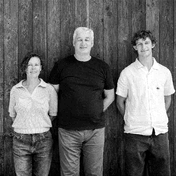
Below the slopes of Mount Saint Helena, Czech-born Martin Pohl built one of Lake County's first fully biodynamic estates, treating the vineyard as a single living organism rather than a row crop.
Backstory
Originally from the Czech Republic, Martin Pohl brought an Old World sensibility to California and established Beaver Creek Vineyards in Lake County. The estate earned CCOF organic certification in 2009 and Demeter biodynamic certification in 2010. Pohl and his partner Tara now run a tasting room and winery in Middletown, where they continue to make the Beaver Creek wines.
The Region
Beaver Creek works in Lake County, in California's north, a high, volcanic landscape shaped by ancient eruptions around Mount Saint Helena, just over the ridge from Napa. Some of the cleanest air in the state, intense mountain sunlight and significant elevation give the area a growing reputation for vivid, deeply colored and naturally structured wines. The estate sits along Highway 29, below the mountain itself.
Vineyards & Farming
The Beaver Creek property covers 185 acres with 22 acres under vine, sitting at roughly 1,000 feet of elevation. Soils are rich volcanic material mixed with mountain valley loam. Pohl rejects synthetic pesticides, herbicides and fertilizers, building soil health through composting and cover crops, and treats the site as a closed, self-sustaining system rather than a monoculture. His guiding philosophy: "Let nature create the wonders and we will work hard to support and enhance her efforts."
Winemaking
Beaver Creek grapes are hand-harvested and the wines are hand-made. Fermentations rely on native yeast with no commercial aromatic strains. The wines are made with no added sulfites, left unfiltered, and produced as vegan wines with no animal products used for clarification. Aging takes place in a mix of French, Hungarian and American oak, with new wood limited to around half the cooperage so fruit and site stay in the foreground.
The Wines
The Beaver Creek lineup is built on Cabernet Sauvignon, Petite Sirah, Zinfandel and Sauvignon Blanc. Bottlings include a Cabernet Sauvignon, the Fairytale Cabernet Sauvignon, a Petite Sirah, Zinfandel, a Symphony red blend, a still Sauvignon Blanc and a sparkling Sauvignon Blanc made as a pet-nat. Together they show how a cool, high-elevation volcanic site can deliver ripeness without heaviness. Pohl and his partner Tara pour the range at their tasting room in Middletown.