Ampeleia

Ampeleia began with a conversation over lunch in the Alps. The idea that emerged became one of coastal Tuscany's most distinctive biodynamic estates, built around Cabernet Franc and a refusal to use a single wooden barrel.

Backstory

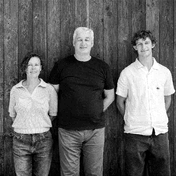
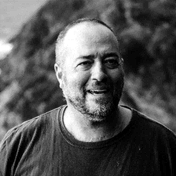
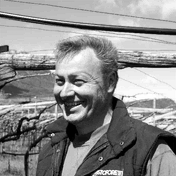
The estate was founded in 2000 by Giovanni Podini, the Trentino winemaker Elisabetta Foradori, and Thomas Widmann. It is now led by the Podini family, with Foradori on the board and closely involved in the wines. Winemaker Marco Tait joined in 2002 at the age of 22 and has guided the estate's evolution into a fully biodynamic farm and ecosystem ever since.

The Region

Ampeleia sits at Roccatederighi in the Alta Maremma, the higher inland part of the Maremma in the province of Grosseto in southern Tuscany. The total property spans about 120 hectares, of which 35 are vineyard; the rest is woods, arable fields, and olive groves. The estate's vineyards rise through distinct elevation bands, from the warmer lower slopes up into cooler, more mineral hillside sites.

Vineyards & Farming

The vines grow on clay-rich and volcanic soils in a landscape once worked by miners. Ampeleia's first certified organic harvest came in 2012, followed by its first biodynamic harvest in 2013, and from 2012 all the biodynamic preparations and herbal teas have been produced on the estate itself.

Winemaking

A defining choice sets Ampeleia apart: no wooden barrels at all. Every wine is fermented and aged exclusively in cement, an uncompromising decision meant to keep the focus on site and grape rather than oak, and to preserve freshness and clarity of fruit.

The Wines

Cabernet Franc is the flagship, planted on about a quarter of the vineyard, alongside the revived Mediterranean variety Alicante Nero plus Sangiovese, Mourvedre, Carignano, and Alicante Bouschet, with Trebbiano, Malvasia, and Ansonica for the whites. The range runs from the everyday liter-bottle Unlitro and the Rosato di Ampeleia through varietal Alicante Nero and Cabernet Franc up to the flagship Ampeleia blend, all unmistakably savory and Mediterranean in character.

More articles

AmByth Estate — natural wine producer
On a dry-farmed Templeton ridge, a Welsh shepherd's son foot-stomps amphora-aged wines with native yeast and zero added sulfur, the first Demeter-certified estate in Paso Robles.
Rhône Valley French wine regions blog, landscape photo from above, natural wine, primal wine - primalwine.com
The Rhône Valley, in southeastern France, borders the Alps to the east and the Massif Central to the west. The Rhône Valley is renowned for its incredibly expressive wines and hearty cuisine. In particular, the region's wines, influenced by its...

Italian Wine Regions

Pencil color illustration of Valpolicella - primalwine.com
Valpolicella is versatility in a glass—cherry-bright Valpolicella, velvet Ripasso, and contemplative Amarone, all shaped by...
Pencil color illustration of Mount Etna - primalwine.com
Etna is energy in a glass: Nerello Mascalese and Carricante channel lava flows, altitude, and...
Barolo: A Terroir-Driven Guide to Nebbiolo
Barolo is Nebbiolo at its most articulate—perfume and power shaped by Tortonian and Serravallian soils...

French Wine Regions

Savoie Wine Region - primalwine.com
Savoie, nestled in the heart of the French Alps, represents one of France's most distinctive...
Rhône Valley French wine regions blog, landscape photo from above, natural wine, primal wine - primalwine.com
The Rhône Valley, in southeastern France, borders the Alps to the east and the Massif...
Bordeaux French wine regions blog, photo of a Bordeaux alley and monuments, natural wine, primal wine - primalwine.com
Bordeaux, located in southwestern France, is bordered by the Atlantic Ocean to the west and...

Natural Winemakers

Heydi Bonanini of Possa sitting in his cellar in Riomaggiore, Cinque Terre
Heydi Bonanini practices heroic viticulture on terraced cliffs above Riomaggiore, producing Cinque Terre whites and the legendary Sciacchetra from rescued indigenous varieties.
Dieter Solva in the barrel cellar at Weingut Niklas in Kaltern, Alto Adige
Weingut Niklas is a family-run Alto Adige estate in Kaltern where Dieter Solva farms 7 hectares of calcareous mountain soils to produce precise, aromatic whites and structured Lagrein reds that have carried the family name for over 50 years.
A molecular biology graduate turned sparkling-wine cult figure, Michael Cruse founded Cruse Wine Co. in Petaluma to make fresh, serious, distinctly Californian wine, including old-vine Valdiguie.