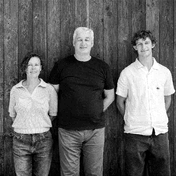
The name says everything. Aeblerov is Danish for 'apple theft,' a nod to how Christopher Melin and Morten Sylvest-Noer began their cidery: by quietly harvesting fruit from the gardens of parents, friends and neighbours around Copenhagen.
Backstory
Melin and Sylvest-Noer met while working at a natural wine bar, Melin on the floor and Sylvest-Noer in the kitchen, both drawn to the world of the unfiltered. In 2011 they launched Aeblerov out of Melin's parents' garage in Valby with roughly 250 dollars of starting capital. Today they work from a large production hall in Valby and make around 26,000 bottles a year.
Philosophy
The Aeblerov conviction is blunt: real cider has nothing to do with added water, concentrate, alcohol, cultured yeast, sugar or enzymes. By applying natural winemaking thinking to Nordic fruit, they helped set the standard for a new Scandinavian cider movement. Their ciders pour at Copenhagen's most celebrated tables, including Noma, 108, Geranium, Relae and Kadeau.
The Fruit
Rather than cider-specific cultivars, Aeblerov uses everyday Danish apple varieties, much of it 'ugly' fruit from selected organic growers, picked when it falls naturally at full ripeness. The pair also work with pears and other fruit, treating each batch on its own terms.
How It Is Made
The Aeblerov fruit is ground and left to macerate for around 24 hours before a gentle, low-pressure pressing that avoids crushing the kernels. Fermentation is slow and spontaneous, driven only by wild yeast, and can run for a couple of months at a cool 5 to 10 degrees Celsius. There are no added yeasts and little to no filtration. Some musts rest in retired wine barrels sourced from the Jura, Burgundy and the Loire.
The Ciders
The Aeblerov range is built around bright, spontaneously fermented ciders that read more like vivid natural wine than commercial cider, dry and savory where the mainstream is sweet or sour. They remain among the defining bottles of contemporary northern European cider.