
Classic and natural wines, delivered.
Independent online store curating small-batch, artisanal, and low-sulfite wines. What are you drinking tonight?
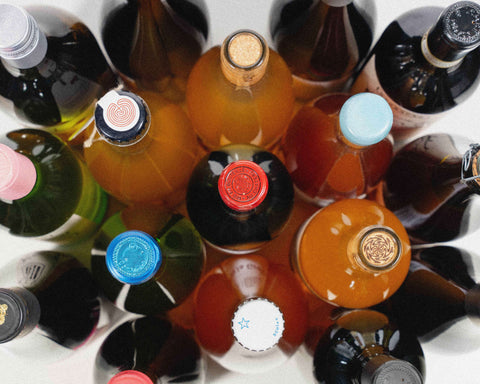

Tasty wines
I'm so happy I found Primal Wine for my natural wine needs!
I love it!
We love our membership so far and can't wait until our next shipment.
Best wine club
We are loving the tasting notes sheet and recipe you are sending!
Customer service
I appreciated the quick response and the above and beyond support!
Shop by type
Browse our vast selection of epic wines.


New arrivals
These are some of our favorite wines, great value at every price range.


Maria and Sepp Muster Sauvignon Vom Opok 2024
Sauvignon Blanc from Maria & Sepp Muster, biodynamic growers in southern Styria, Austria. Grown on opok marl, fermented on its skins with native yeast and bottled with minimal intervention. A textural, savoury take on a grape most people think they already know.
Quince and yellow plum, elderflower and a deep streak of wet stone. Gentle skin-contact grip, bright acidity and a long, salty finish. Serve cool, not cold.
Roast chicken, brothy noodles, hard alpine cheeses, grilled vegetables and anything with a squeeze of lemon. Flexible enough for a weeknight, interesting enough for a table of friends.


Popular wine clubs
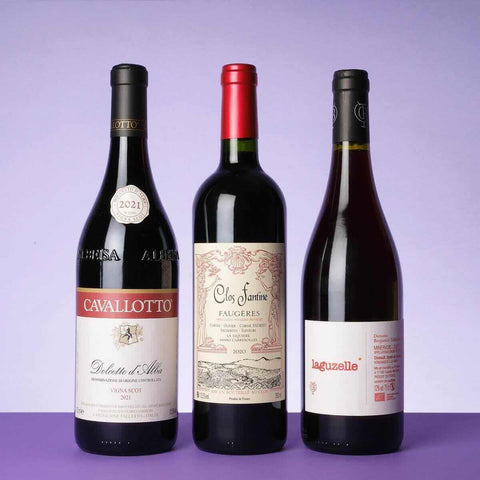
Try them as one-off purchases, then subscribe & save. Easy!


What wine writers and experts are saying
Recognized among the best natural wine retailers and clubs in the country.
"We included Primal Wine among America's 50 best natural wine retailers in our print edition."

"Best natural wine club: many would agree that Primal's selection is among the best."

"Primal Wine curates an excellent selection of wines you most likely aren't familiar with."

"A storefront to bookmark if you're looking to get funky with your drinking habits."

"Best wine subscription services: Primal Wine Club is great for beginners to natural wine."

"Wines that taste like Williamsburg, a hip neighborhood in Brooklyn, New York."

"This box from Primal included reds, an orange, and a white, and came with a worksheet to jot down my notes."

"In the 2024 USA Today 10BEST edition, Primal Wine is once again a runner-up in the best wine club category."

Shop by style


Special collections


What is what?
Is natural wine the same as organic? What is biodynamic, then? Vegan? Sure. Let's explore some of these concepts together.
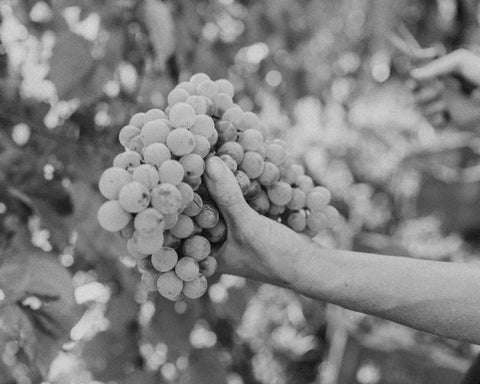
What is natural wine?
Natural wine is a type of wine made in small batches from organic or biodynamic grapes with minimal intervention.
Read more→
What is Biodynamics?
Biodynamic wine is wine made from grapes farmed biodynamically. Biodynamic farming is a holistic approach.
Read more→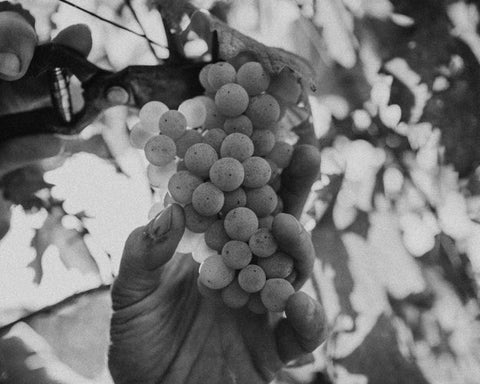
What is organic wine?
Organic wine is made from grapes farmed organically. Organic farming is an alternative to conventional farming.
Read more→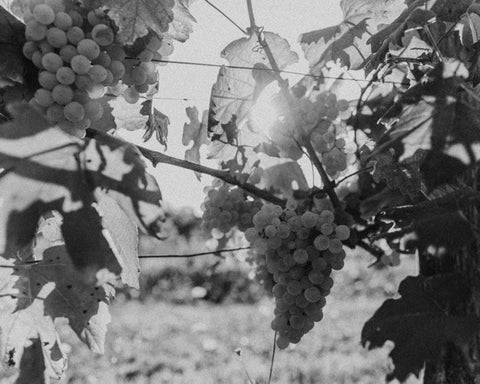
What is vegan wine?
Vegan wine is wine made without using animal products during the fining phase of the clarification process.
Read more→Frequently Asked Questions
Important information about wine, shipping, and delivery.Natural wine is, first and foremost, a farming product. No pesticides in the vineyard, and low intervention is preferred in the cellar. Ethical practices are respected throughout the entire process, especially labor practices.
Not all organic wines are natural, but all natural wines use organically or biodynamically grown grapes, usually hand-harvested. Natural wine has no added or minimal added sulfites (very low sulfites, at 10-80 ppm versus the allowed 350 ppm).
Natural wine can be cloudy or retain sediment due to a lack of fining and filtration (clarification). It might be earthy, slightly effervescent, wild, enjoyably unpredictable, always endlessly interesting. We are aware that it can be an acquired taste, but that's also the beauty of it. Discovery.
Like every other type of wine, any other product really, natural wine can be well-made or poorly made; good or bad. We eschew dogmatism in favor of constant exploration of this fascinating category, selecting our wine based on strict criteria. Yes, natural wine must taste good.
Natural wine stands out for its food-friendly character. Vibrant acidity, lower alcohol levels, textural depth, and clean fruit expression allow natural wine to complement a wide range of dishes. The inherent freshness and digestibility of natural wine mean it can accompany an entire meal without overwhelming the palate.
- Vegetables and plant-based dishes: Earthy, mineral, and herbal tones in natural wine echo the flavors of plant-forward cooking
- Fermented foods: Kimchi, sauerkraut, miso, and pickles share a kinship with natural wine's own fermented character
- Charcuterie and cheese: Natural wine's acidity cuts through richness and highlights savory notes
- Seafood and shellfish: Fresh, saline natural white wines complement ocean-driven flavors
- Asian cuisines: The freshness of natural wine handles spice, umami, and layered complexity with ease
- Grilled and roasted meats: Natural red wines offer enough structure and lift to balance char and fat without heaviness
- Pizza and pasta: Natural wine's acidity enhances tomato, olive oil, and cheese
- Aged, washed-rind, and blue cheeses: Natural wine's complexity and occasional funky edge find a match in pungent, characterful cheeses
This versatility stems from balanced acidity, restrained alcohol, and the absence of heavy oak, excessive extraction, or heavy-handed winemaking that can compete with food.
Temperature matters when serving natural wine. Natural white wine and natural rosé taste best well-chilled, between 45-55°F. Natural red wine benefits from a slight chill, around 55-65°F—cooler than typical room temperature. Natural sparkling wine should be served cold, between 40-50°F. Chilling preserves freshness, tempers alcohol, and improves drinkability across all styles.
Many natural wines improve with air. After opening, aromatics develop, any initial funky notes integrate, and flavors expand. Some natural wines taste even better on the second or third day as controlled oxygen exposure adds dimension.
Store opened natural wine in the refrigerator with a proper seal. Without elevated sulfur levels, natural wine oxidizes more quickly than conventional wine, though many bottles remain enjoyable for several days. Some natural wines actually gain interesting complexity through gradual oxidation.
Natural wine with visible sediment may require decanting or careful pouring. Sediment is harmless but can affect mouthfeel. Some drinkers pour slowly to leave sediment behind; others consider it part of what makes natural wine distinctive.
All of Primal Wine's wines are dry wines. A wine can be considered a dry wine when all the grape sugar has been fermented into alcohol and CO2 by yeast. A dry wine, somewhat improperly but not incorrectly, can be defined as sugar free. All the sugar has been transformed into something else during fermentation.
This is not something exceptional. In fact, most of the wine on the market is fermented dry. Unless we are talking about very specific wines – some sparkling wines, dessert wines, wines used in religious ceremonies, or easy-to-identify mass-produced wine where high residual sugar is a stylistic choice.
Overemphasizing how we sell "zero sugar" wine is not what we do at Primal Wine – that's not our marketing angle. But by virtue of selling dry wine, we are selling "no sugar" or "sugar free" wine. I hope this clarifies some misconceptions about wine. Once again, most wine is dry. Making dry wine is the norm. Making sweet, high-sugar wine is the exception.
We will process and ship your order in 2-3 business days, you will receive a shipping confirmation email with tracking as soon as the Carrier scans the shipping label.
Ground shipping time depends on location, here's a breakdown:
West Coast: 1-2 business days
Midwest: 3-4 business days
East Coast: 5 business days
Process time is not shipping time. Shipping time starts from the days successive to the day of shipping, after the order has been processed.
See here our shipping policy.
Signature on delivery is mandatory for wine deliveries. Please make sure someone is at the shipping address to sign for the package.
If applicable, please consider delivering the package to a business address to ensure someone is available to sign for the package.
We also have the option of delivering the package to a Carrier's store for pickup. Please reach out to us to coordinate.
Carrier will try to delivery a package up to three times before returning the package to us.
See here our shipping policy.
If you miss a delivery and a package gets returned to us we have two options:
1) Reship the package right away: due to the very high cost of shipping and returns, we must charge a re-shipping fee to be determined based on package size and shipping destination.
2) Consolidate the returned package with your next order: this option is free of charge and it's the most popular option.
See here our shipping policy.
When I founded Primal Wine, I didn't think I would change the world or any other nonsense like that. I wanted to create a well-designed and easy-to-use online store focused on natural wine; it's as simple as that. At the time, to my surprise, except for websites run by brick-and-mortar stores, there was no online wine store solely focused on natural wine. With Primal, I just wanted to freshen up the online natural wine scene. I wanted to offer a convenient way for people who don't live in highly gentrified areas of major US cities – where let's face it, most natural wine is concentrated – to access natural wine. And the response has been incredible. We must be doing something right. Andiamo belli!
Joining one of Primal's Natural Wine Clubs offers a variety of benefits:
- Exclusive access: our natural wine club provides access to limited-edition bottles or wines that aren't widely available in stores. This means you can try unique, small-batch wines, often sourced directly from producers.
- Convenience: Wine clubs eliminate the need to search for hard-to-find wines by delivering curated selections right to your door. You can customize your shipments based on preferences such as reds, whites, mixed, sparkling, and orange selections.
- Educational Experience: Primal Natural Wine Clubs include detailed tasting notes and background information on each bottle, helping you deepen your understanding of natural wines and their unique production processes. We also include a recipe of the month.
- Cost Savings: Primal Natural Wine Clubs are cheaper than a bottle shop purchase of the same bottles included in the box. On average, clubs are 7-10% cheaper. In addition, we offer a lifetime 10% discount on any additional purchase made on Primal Wine.
This is what we offer now, and that's the best we can do. But we are always open to suggestions and love to hear what you think we could do to improve our Primal Natural Wine Clubs. Don't hesitate to contact us with any feedback.
Drinking Distilled Spirits, Beer, Coolers, Wine and Other Alcoholic Beverages May Increase Cancer Risk, and, During Pregnancy, Can Cause Birth Defects.
Learn wine, one story at a time

Maria and Sepp Muster farm ten hectares of Demeter-certified biodynamic vineyards above Leutschach in Southern Styria, crafting textural, mineral whites from the region's distinctive Opok marl soil.

Heydi Bonanini practices heroic viticulture on terraced cliffs above Riomaggiore, producing Cinque Terre whites and the legendary Sciacchetra from rescued indigenous varieties.

Weingut Niklas is a family-run Alto Adige estate in Kaltern where Dieter Solva farms 7 hectares of calcareous mountain soils to produce precise, aromatic whites and structured Lagrein reds that have carried the family name for over 50 years.

A molecular biology graduate turned sparkling-wine cult figure, Michael Cruse founded Cruse Wine Co. in Petaluma to make fresh, serious, distinctly Californian wine, including old-vine Valdiguie.

A Berkeley-based natural wine library curating single-vineyard bottles from across Northern California with minimal intervention and deep respect for place.

A two-and-a-half acre Sierra Foothills outpost where Gideon Beinstock makes tiny lots of Pinot Noir and wild blends by feel, with a no-winemaking philosophy.

Valpolicella is versatility in a glass—cherry-bright Valpolicella, velvet Ripasso, and contemplative Amarone, all shaped by limestone and volcanic slopes from Classica to...

Etna is energy in a glass: Nerello Mascalese and Carricante channel lava flows, altitude, and contrade into wines of mineral drive, citrus,...

Barolo is Nebbiolo at its most articulate—perfume and power shaped by Tortonian and Serravallian soils across nine communes and 170+ MGAs. Our...

Valtellina is Nebbiolo in alpine relief: chiselled acidity, fine tannins, and mineral lift from sunlit, terraced slopes. Our guide maps subzones—Sassella, Grumello,...

Molise, Italy's second smallest region, is a hidden gem with a rich cultural and natural heritage. Nestled between the Apennine Mountains and...

Valle d'Aosta, in the heart of the Italian Alps, is renowned for its stunning mountain landscapes, rich cultural heritage, and exceptional wines....

A thorough journey through every stage of white winemaking, from the vineyard to the bottle and the decisions that shape every glass....

A step-by-step journey through every stage of red winemaking, from the vineyard to the bottle and everything in between. Table of Contents...

A deep examination of how phenolic maturity shapes wine quality, from vineyard development to harvest decisions and cellar consequences. Table of Contents...

Great wine starts underground. Soil texture, structure, minerals, microbes, and water dynamics govern vine vigor and berry chemistry—and, ultimately, a wine’s aroma,...

Low-sulfite wine (sometimes written “low-sulfites”) refers to wines crafted with minimal added sulfur dioxide (SO₂)—often just enough to protect freshness and stability,...

Organic wine refers to wines made from grapes grown without synthetic herbicides, pesticides, or fertilizers, and vinified under rules that restrict certain...
What are you drinking tonight?
Explore the cellar, or let us choose for you with a curated natural wine club shipment.