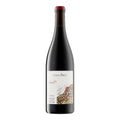
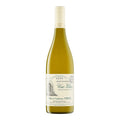
Sold Out
Primal Wine

Orange Wine Trio

Price: $110.00
Enter your email address below to be notified when this product is back in stock.
Tasting notes

Dinavolino is what orange wine looks like when the grape variety actually does most of the work: Malvasia di Candia Aromatica pushes orange blossom, grapefruit zest, and apricot through months of skin contact, landing on a finish of almond skin and dried thyme. The acidity keeps everything in motion, and the tannins are fine enough that you can pour this for someone who thinks they don't like skin-contact wine.

BodyFruitTanninAcidity
Orange BlossomApricotAlmondThyme
  • Style: Dry orange wine; cloudy amber; aromatic, textured, lively acidity; 12% ABV
  • Grapes & Terroir: 25% each Ortrugo, Malvasia di Candia Aromatica, Marsanne, unidentified indigenous variety; old vines planted 1975; clay-limestone soils; Débé plot, Travo, Val Trebbia, Piacenza; organic farming
  • Winemaking: Hand-harvested; destemmed; spontaneous fermentation with indigenous yeasts in stainless steel; several months skin maceration; aged on fine lees; unfined, unfiltered, zero added sulfites
  • Serving: Serve at 55-58F; 15-20 min decant optional; opens well in the glass; drinks well on day 2-3
  • Pairing: Parmigiano Reggiano, Formaggio di Fossa, prosciutto, mortadella, egg pasta with butter sauce
  • Similar To: For fans of Radikon Slatnik, Gravner Ribolla, or any structured skin-contact white with real aromatic intensity

This trio is anchored by the Azienda Agricola Denavolo Dinavolino 2018, one of the most widely recognized orange wines from Emilia-Romagna. Giulio Armani — winemaker at La Stoppa since 1980 and founder of Denavolo in 2005 — grows the fruit for Dinavolino on the lower section of the Débé plot in the commune of Travo, Val Trebbia, Province of Piacenza. The vines were planted in 1975 on clay-limestone soils at 350 to 500 feet elevation and are farmed organically using only copper and sulfur treatments.

Dinavolino is a field blend of 25% Ortrugo, 25% Malvasia di Candia Aromatica, 25% Marsanne (called Sciampagnino locally), and 25% an unidentified indigenous variety that has never been matched to a known cultivar. The wine is hand-harvested, destemmed, and spontaneously fermented in stainless steel with indigenous yeasts. Skin maceration runs for several months, after which the wine is aged on its lees before bottling unfined, unfiltered, and with no added sulfites. ABV is approximately 12%.

Dinavolino is Armani's more accessible expression compared to Dinavolo: the lower-elevation clay-limestone soil yields plumper fruit and slightly less tannic extraction, while the aromatics — driven heavily by Malvasia di Candia Aromatica — push toward orange blossom, grapefruit zest, and apricot with a thread of thyme and almond skin through the finish. The acidity is lively and the tannins are present but fine-grained, giving the wine structure without grip.

Both Dinavolo and Dinavolino are classified as Vino Bianco table wine. Armani deliberately avoids DOC or IGT designation in order to maintain complete freedom in his winemaking approach. The wine appears cloudy amber in the glass — sediment and haze are natural and expected at this level of intervention.

Dinavolino's combination of lively acidity, fine tannins, and aromatic intensity makes it a strong pairing for aged cheeses from Emilia-Romagna — Parmigiano Reggiano, Formaggio di Fossa — as well as egg-based pasta with butter or light cream sauces. The tannic grip and citrus bitterness also cut through fatty cured meats like prosciutto or mortadella. Avoid heavily spiced dishes that would fight the Malvasia's floral character.

Wine details

Dry/Sweet:, Dry
Wine Type:, Orange Wine
Wine Style:, Medium Body
Grapes:, Ortrugo, Malvasia di Candia Aromatica, Marsanne, Indigenous Variety
Farming:, Organic
Vintage:, 2018
Alcohol:, 12%
Country:, Italy
Region:, Emilia-Romagna
Appellation:, Vino Bianco (no DOC/IGT)
Bottle Size:, 750ml
Sugar Level:, Zero Added Sugar

We will process and ship your order in 2-3 business days, you will receive a shipping confirmation email with tracking as soon as the Carrier scans the shipping label.

Ground shipping time depends on location, here's a breakdown:

West Coast: 1-2 business days
Midwest: 3-4 business days
East Coast: 5 business days

Process time is not shipping time. Shipping time starts from the days successive to the day of shipping, after the order has been processed.

See here our shipping policy.


Important Compliance Requirements

FedEx and other carriers we might occasionally use can only deliver wine to customers who are 21 years or older. Someone must be at the address to receive the package, carriers don't just drop a package and leave. They must ensure the person receiving the wine is 21 or older.


Re-shipping a Package

If a package is returned to us after three failed delivery attempts, we can only re-ship the wine upon payment of a re-shipping fee, to be determined based on the shipping address and number of bottles. Shipping wine is extremely expensive. We are sorry about this, but we have no other choice. Please make sure there's always someone at the address you enter as your shipping address.

If you'd like to receive a refund for a package that was returned to us after FedEx made three delivery attempts, we can do that but we must keep a $20 refund fee; FedEx charges us a lot of money for returns, unfortunately, I can't stress this enough.


Re-routing a Package

If you'd like to reroute a package after it's been shipped, we can do so for a $20 re-routing fee. We cannot re-route a package across state borders. For any change of address, please contact us as soon as possible, ideally within 1-2 days from placing the order or we cannot guarantee we'll be able to reroute or change your order's shipping address.


Canceling an Order

If you'd like to cancel an order after it's been shipped, we can do so upon payment of a small cancellation fee – the amount depends on the size of the order. Carriers charge us a lot of money to recall a package en-route.


Heat/Frost damage

We are not responsible for heat- or frost-related issues. We offer ice-packs upon request. Please let us know if you think that there could be heat-related issues. If we don't hear anything from you regarding weather issues before an order is shipped, or if you don't request a hold due to the weather, we are not responsible for heat/frost damage.


Placed an order. What next?

1. You will receive an order confirmation email with your order summary.*

2. As soon as your order ships from the warehouse, usually within 2-3 business days, this applies to all shipping rates, you will receive a shipping confirmation email with your tracking information. 2DAY shipping refers to shipping time; we still need 2-3 business days to prepare an order. We need to pick and pack, QA, add printed collateral, and palletize the orders.

3. Please track your package using the tracking service.

4. The carrier will attempt delivery a maximum of 3 times. After 3 delivery attempts, your package will be sent back to our warehouse.**

*Please ensure your email address is correct; otherwise, you will not receive the order and shipping confirmation emails.

**If delivery is attempted 3 times without success, or if you fail to retrieve your package from the carrier depot by the stated deadline, the shipping fee will not be refunded to the customer.

Returns Policy

If you are not satisfied with your purchase, please contact us at (424) 414-2040 or via e-mail at hello@primalwine.com between 9 am and 5 pm Pacific Standard Time, Monday through Sunday, we would like to understand and try to solve your concerns. We can offer refunds only as store credit.

Producer profile

Primal Wine

Azienda Agricola Denavolo was founded by Giulio Armani in 2005 on the slopes of Monte Denavolo in the commune of Travo, Val Trebbia, Province of Piacenza. Armani began making wine at La Stoppa — the Piacenza Hills estate — in 1980 alongside founder Rafael Pantaleoni and later his daughter Elena Pantaleoni. Denavolo was launched as a personal project alongside his continuing role as head winemaker at La Stoppa, focused on questions that a red-wine-oriented estate could not fully address: principally, whether white grapes could withstand and benefit from the same extended skin contact traditionally reserved for reds.

The estate covers 2.2 hectares of old vines planted in 1975, plus approximately 3 hectares of younger vines planted between 2008 and 2009, all on clay-limestone soils at 350 to 600 meters elevation. Farming is organic, relying only on copper and sulfur; no synthetic treatments are used. The vineyards are planted exclusively with white varieties: Malvasia di Candia Aromatica, Ortrugo, Marsanne (known locally as Sciampagnino), and an assortment of unidentified indigenous varieties mixed in the old plantings as was traditional in peasant viticulture of the region.

In the cellar, Armani works without additions of any kind. Grapes are hand-harvested and destemmed; fermentation is spontaneous with indigenous yeasts in stainless steel. Skin maceration continues for several months depending on the cuvée, with Dinavolino seeing less contact time than Dinavolo. The wines are aged on fine lees before bottling unfined, unfiltered, and with zero added sulfites. Both Dinavolo and Dinavolino are classified as Vino Bianco, a deliberate choice to operate outside DOC or IGT regulations.

Wine region

Emilia-Romagna, Italy

The Val Trebbia runs through the Province of Piacenza in the western part of Emilia-Romagna, fed by the Trebbia River as it descends from the Ligurian Apennines toward the Po plain. The valley's geology is predominantly calcareous: limestone ridges, calcareous clay hillsides, and thinner rocky soils on the steeper upper slopes. Pliny the Elder referenced the wines of Piacenza in the first century AD, and viticulture in the valley has been continuous since. The Colli Piacentini DOC formalizes the region's wine identity today, though some producers — including Denavolo — decline DOC status to preserve winemaking freedom.

The Débé hillside in the commune of Travo, where Giulio Armani farms his Dinavolino and Dinavolo vines, runs from roughly 1,150 feet at its base to over 1,640 feet at its summit. Soil depth and composition shift between the two sections: deeper clay-limestone on the lower slope (source of Dinavolino fruit) and shallower, rockier ground higher up (source of Dinavolo). The altitude moderates what would otherwise be warm valley temperatures, allowing slow, even ripening and the preservation of the natural acidity that defines the wines from this site. Indigenous white varieties — Malvasia di Candia Aromatica, Ortrugo, and an array of unidentified field varieties — are best adapted to these conditions.

Frequently asked question

We will process and ship your order in 2-3 business days, you will receive a shipping confirmation email with tracking as soon as the Carrier scans the shipping label.

Ground shipping time depends on location, here's a breakdown:

West Coast: 1-2 business days
Midwest: 3-4 business days
East Coast: 5 business days

Process time is not shipping time. Shipping time starts from the days successive to the day of shipping, after the order has been processed.

See here our shipping policy.

Signature on delivery is mandatory for wine deliveries. Please make sure someone is at the shipping address to sign for the package.

If applicable, please consider delivering the package to a business address to ensure someone is available to sign for the package.

We also have the option of delivering the package to a Carrier's store for pickup. Please reach out to us to coordinate.

Carrier will try to delivery a package up to three times before returning the package to us.

See here our shipping policy.

If you miss a delivery and a package gets returned to us we have two options:

1) Reship the package right away: due to the very high cost of shipping and returns, we must charge a re-shipping fee to be determined based on package size and shipping destination.

2) Consolidate the returned package with your next order: this option is free of charge and it's the most popular option.

See here our shipping policy.

This collection features our best selling natural wine from all around the world. It's the best place to start you natural wine journey! Browse one of the largest selections of natural wine available online in the United States.

Primal Wine Natural Wine Club is the best way to discover natural wine. Let us do the heavy-lifting, sit back, and relax. We will send you an ever-changing selection of natural wine made by top producers from around the world.
Our customers love Primal

I'm just copying and pasting from the hundreds messages we received, no pseudo reviews!
Erin C.

We love our membership so far and can't wait until our next shipment.

Jennifer B.

A note to say that we are loving the tasting notes sheet you’re sending!

James S.

I'm really happy to find Primal – your selections are terrific. 

Samuel M.

Love your company, always a great wine selection. 

Chelsea V.

I love what you guys do!

What Is | Primal Wine

What is natural wine?

Natural wine is a type of wine made in small batches from organic or biodynamic grapes with minimal intervention.
What Is Biodynamic Wine Info Cards | Primal Wine

What is Biodynamics?

Biodynamic wine is wine made from grapes farmed biodynamically. Biodynamic farming is a holistic approach.
What Is Organic Wine Info Cards | Primal Wine

What is organic wine?

Organic wine is made with grapes farmed organically. Organic farming is an alternative to conventional farming.
What Is Vegan Wine Info Cards | Primal Wine

What is vegan wine?

Vegan wine is wine made without using animal products during the fining phase of the clarification process.