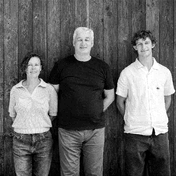
The name Viteadovest translates as vine to the west, and it describes precisely where this estate sits: on the western edge of Sicily, in the territory between Marsala and Mazara del Vallo, where the land flattens toward the sea. Vincenzo Angileri leads the operation today alongside his father Giuseppe and son Giuseppe Junior, a winemaking continuum that spans three generations and over 150 years of family history on this soil.
Backstory
The Viteadovest family's roots on this land date to 1873. For much of the twentieth century, the grapes grown here fed the region's cooperative system, which dominated western Sicily's wine economy. In 2010, the family reclaimed control of their production, returning to the artisan methods that had defined the estate before the cooperative era. Vincenzo, a trained oenologist, brought technical knowledge that he deployed in service of tradition rather than standardization.
The Region
Western Sicily is known historically for Marsala production and bulk wine. Viteadovest sits in a quieter part of this story, working land that was farmed before the co-operative movement absorbed everything into industrial channels. The soils are clay and limestone, close to sea level, with a warm Mediterranean climate that produces ripe, concentrated fruit from vines that have had a century to sink deep roots.
Vineyards and Farming
Viteadovest covers seven hectares spread across nine distinct parcels in Marsala and Mazara del Vallo. Vines are trained using the traditional alberello, or bush vine, method and are dry-farmed without irrigation. The average vine age exceeds one hundred years. Cultivation is strictly organic: no pesticides, herbicides, or synthetic fertilizers. Vincenzo also consults for other Sicilian wineries, spreading the natural winemaking approach across the region.
Winemaking
Spontaneous fermentation with wild yeasts drives all Viteadovest wines. Extended skin contact, sometimes reaching 30 days, produces the estate's distinctive orange wines. No fining, no filtering, no additives of any kind. Sulfite additions are kept minimal. Wines rest in stainless steel or fiberglass tanks to preserve fruit character without the influence of wood.
The Wines
The Viteadovest portfolio includes deeply colored orange wines from Grillo and Catarratto, fresh whites, layered aged reds from Nero d'Avola and Nerello Mascalese, and occasional experimental bottlings using Damaschino and Grecanico. Annual production runs to roughly 24,000 bottles. Each wine carries the intensity of old vines and volcanic terroir filtered through a philosophy of radical non-intervention.