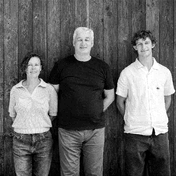
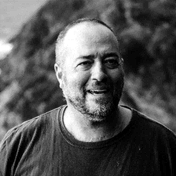
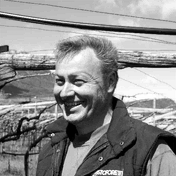
Thomas Santamaria is the sixth generation of his family to tend vines on Corsica, which in this part of the island means working soils of schist and limestone across the communes of Oletta, Olmeta-di-Tuda, and Saint-Florent in the Patrimonio appellation. The estate spans 30 hectares, a substantial holding by Corsican standards, and Thomas has built on his predecessors' traditional methods by converting to certified organic farming and exploring biodynamic treatments aligned with the lunar calendar.
The Varieties
Niellucciu, the island's great red grape and a local variant of Sangiovese, anchors the Thomas Santamaria reds, grown here on 25-year-old vines in a microclimate of particular character. Grenache adds roundness and warmth to some cuvees. Vermentinu, which Corsicans spell and pronounce distinctly from the mainland's Vermentino, carries the whites, its mineral, slightly saline character shaped directly by the island's granite and schist. These are varieties that belong nowhere else in quite the same way.
How He Works
Native yeast fermentations in stainless steel, no fining, no filtration, and only minimal sulfur at bottling: around 20ppm, a figure that reflects care without fanaticism. Thomas produces two distinct tiers. The Tranoi bottlings, sold as Vin de France, are described by those who know them as pure and unadulterated Mediterranean wines. The Patrimonio AOC selections are among the finest the appellation produces.
Why Patrimonio
Patrimonio sits at the base of Cap Corse, cooled by mountain air and shaped by soils unlike anything on the mainland. In Thomas Santamaria's hands, it produces wines with the kind of place-specific character that Corsica has always promised and too rarely delivered at this level of quality. We carry La Boutanche.