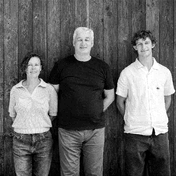
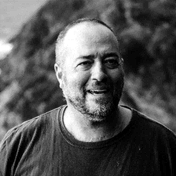
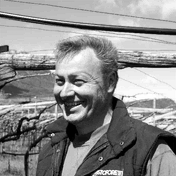
In the commune of Blacé, just south of the ten official Beaujolais crus, Sylvère Trichard runs one of the region's most characterful natural wine estates. The name Séléné comes from the Greek goddess of the moon, a nod to the lunar calendar that governs much of Trichard's work in the vineyard. The spirit in the cellar, though, is decidedly earthly: punk rock echoing from a speaker, concrete tanks, and wine made with the confidence of someone who learned the hard way and emerged with a clear vision.
Roots in Beaujolais
The Séléné founder's uncle managed the family domaine and introduced him to winemaking in 1998. When his grandmother's vines became available, Sylvère took them over in 2012, inheriting 4 hectares of Gamay and Chardonnay in Blacé, certified organic since 2008. He studied agriculture formally, then trained with two of natural Beaujolais's key figures: Dominique Belluard in the Savoie and Jean-Claude Lapalu back home in the region. He also farms with Elodie Bouvard, his partner from agricultural school who runs an organic vegetable operation on the same property.
Sandy Clay and Granite
Séléné now covers 8 hectares, with vines ranging from 20 to 80 years of age planted in sandy clay soils over a vein of granite. Farming follows organic certification and biodynamic practices aligned with the lunar calendar, though without formal Demeter certification. In 2020 Trichard planted an orchard and began establishing trees between vine rows to improve biodiversity and moderate summer heat.
Carbonic and Concrete
All Séléné reds undergo whole-cluster semi-carbonic maceration, fermented with native yeasts in concrete vats. Whites and rosés receive similarly gentle treatment. The only exception to concrete aging is the oldest parcel, his grandmother's vines, whose fruit is set aside for a named cuvée and aged in used oak barrels in her memory. No sulfur is added, and the wines are not filtered.
The Range
The Séléné portfolio covers Beaujolais Nouveau, Beaujolais-Villages, a Blanc from Chardonnay, a Rosé Pétillant Naturel, and a small production of old-vine Gamay called Gisou, the cuvée named for his grandmother. Each wine carries the freshness and granitic energy that define the best of natural Beaujolais.