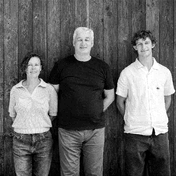
At roughly 600 meters above the plain, the wind that gives this estate its name never really stops, and Marco Sferlazzo built a winery around what that constant breeze does to old Catarratto vines.
Backstory
Marco Sferlazzo founded Porta del Vento in 2005 in Camporeale, in the province of Palermo. The name means door of the wind, a description of the exposed hillside where the vineyards sit. Sferlazzo set out to work the grapes historically grown in the zone at a moment when many of them, especially Catarratto and the red Perricone, were being abandoned across Sicily.
The Region
Camporeale, where Porta del Vento farms, lies in western Sicily, inland from Palermo, in a hilly landscape of cereal fields and vineyards. The estate's plots rise to around 600 meters, a high-altitude pocket with a unique microclimate marked by strong light, wide day-to-night temperature swings and that persistent wind, all of which slow ripening and keep the fruit fresh.
Vineyards and Farming
The Porta del Vento vineyards include old plots of Catarratto trained in the traditional Sicilian alberello, or bush-vine, system. The soils are sandy with veins of sandstone, and many parcels face north, which preserves acidity. Sferlazzo also tends some of the oldest surviving Perricone in Sicily, a grape that had dwindled to fewer than twenty hectares before producers like him helped revive it. Farming is biodynamic, with manual harvesting and an emphasis on biodiversity, balance and natural rhythm.
Winemaking
Work in the Porta del Vento cellar is artisanal and low-intervention. Fermentations run on indigenous yeasts. The wines age in a mix of cement tanks, large oak barrels and amphorae depending on the cuvee. The native reds undergo spontaneous fermentation, maceration on the skins and at least six months in amphora.
The Wines
Catarratto is the heart of the Porta del Vento range, made as a fresh white and as a skin-contact version. The Voria line of pet-nats, in white, rose and red, is the playful entry point. Sferlazzo also makes amphora-aged bottlings such as the Perricone-based ARCAI Anfora Rosso, along with structured reds aged in Slavonian oak, all aiming for wines that are deep, complex and tied to their windy hill.