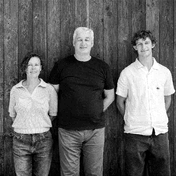
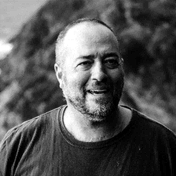
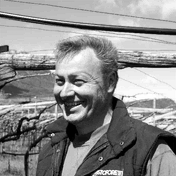
Pàcina sits on land that has been farmed continuously since the Etruscan period. The estate takes its name from Pacha-Pachna, an Etruscan wine deity, and the ancient monastery at its center dates to the 10th century. Today it is one of Italy's most important natural wine properties, and it got there by ignoring trends entirely.
Backstory
The Tiezzi family has held Pàcina for nearly a century. Giovanna Tiezzi and her husband Stefano Borsa took over the direction of the estate in the early 1990s, with Borsa, a trained agronomist who had previously worked at San Felice, bringing technical rigor to match Giovanna's deep-rooted attachment to the land. Together they made the decision to leave the Chianti Colli Senesi DOCG, refusing to release their Sangiovese young when the wines needed years of aging to show themselves properly. They accepted the IGT classification without hesitation. Today the estate is led by their children Maria and Carlo, alongside spouses Roberto and Elisabeth.
The Region
Pàcina lies in the southeastern corner of the Chianti zone, in the municipality of Castelnuovo Berardenga in the province of Siena. This is the border territory between Chianti Classico and Chianti Colli Senesi, with rolling hills of mixed woodland, vineyard, and olive grove that look much as they did a thousand years ago. The soils are Tufo di Siena, a sandy limestone and clay mix of marine origin that gives the wines their characteristic mineral lift.
Vineyards and Farming
The estate covers 60 hectares in total, of which only 10 are planted with vines. The remaining land supports olive groves, cereal crops, legumes, and native woodland, creating a complete agricultural ecosystem. Organic certification has been in place since the early 1980s, and the farming integrates biodynamic principles. Biodiversity is not a marketing term at Pàcina; it is the operating condition of the whole farm.
Winemaking
Grapes are fermented in cement tanks using indigenous yeasts, with no additions of any kind, including sulfites. The wines undergo extended aging before release, sometimes six or seven years, which is the core reason Pàcina could not remain within the DOC system. Nothing is rushed, and nothing is corrected. Pàcina was featured in Jonathan Nossiter's documentary Natural Resistance, which helped bring it to international attention, though the estate had been working this way long before the world caught on.
The Wines
Sangiovese is the Pàcina foundation. The estate produces approximately 40,000 bottles annually, including a white Bianco IGT and several expressions of Sangiovese at different levels of aging. The wines are known for their austerity in youth, deep structure, and the way they unfold over years in the bottle. They are, in the truest sense, wines built for time.