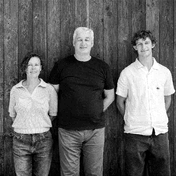
The name Manciaciumi is a Sicilian dialect word meaning itch, describing someone too restless to stay still. It fits Dario Sciuto precisely. After careers in economics, Australian hospitality, brewing, and master brewing in Singapore, the pandemic stranded him in Catania and gave him the push he needed to start farming old vines on the mountain he had grown up beside.
Backstory
Dario Sciuto was born in San Giovanni la Punta, a municipality on the slopes of Etna near Catania. He holds an economics degree and gained experience in hospitality in Australia before enrolling at the University of Gastronomic Sciences in Pollenzo, Italy. He then worked at the celebrated craft brewery Birra del Borgo alongside Leonardo Di Vincenzo, eventually becoming a master brewer in Singapore. When Covid-19 closed borders in 2020, Sciuto returned to Catania. With his friend Giovanni Nicita, he took on management of an old vineyard on Etna's slopes. Manciaciumi was formally launched in 2022.
The Region
While most Etna wine attention focuses on the northern slope of the volcano, Manciaciumi operates on the less-known southern side, in the territory between Adrano and Trecastagni. The differences are real: the southern exposure produces a different flavour profile from the cooler, more celebrated north flank. Vineyards reach altitudes of up to 1,000 metres above sea level on the volcanic basalt soils for which Etna is internationally known.
Vineyards and Farming
Manciaciumi farms approximately 3.5 hectares of very old vines, some over 75 years old and planted on piede franco (ungrafted rootstock), a rarity that survives on the volcanic soils where phylloxera cannot thrive. Grape varieties include Nerello Mascalese, Nerello Cappuccio, Alicante (Grenache), Carricante, and Minnella. Farming follows organic principles throughout.
Winemaking
At Manciaciumi, Sciuto brings a brewer's discipline to cellar hygiene while maintaining maximum freedom in vinification. Fermentations are spontaneous, with no added yeasts or stabilisers. Vessels include stainless steel, wood, terracotta, and glass demijohns. Sulfur additions are avoided. The approach is, in Sciuto's words, pure grape juice with nothing in the way.
The Wines
Current Manciaciumi releases include Malpelo, a blend of Nerello Mascalese, Nerello Cappuccio, and Alicante (approximately 2,800 bottles per vintage), and Tormenta, a smaller-production blend of Nerello Mascalese and Nerello Cappuccio (around 500 bottles). Both are classified as Terre Siciliane IGT. Additional wines including Grasta and Bananae have been released as the project has grown.