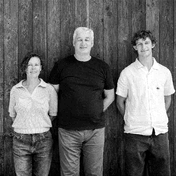
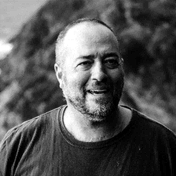
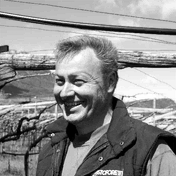
Hank Beckmeyer left his band Half Japanese in Europe in the 1980s to stay with Caroline Hoel, and the two spent the next decade drinking Bandol, dreaming of what they would do with land. In 2001 they found their answer: ten acres at 2,600 feet in Somerset, El Dorado County.
Backstory
Hank and Caroline planted their first vines in 2001 and produced their inaugural vintage in 2007 -- 75 cases from three barrels. They were early proponents of natural farming in California's Sierra Foothills at a time when the region was barely a footnote in the state's wine conversation. Production grew to around 2,500 cases as they added fruit from other organically farmed foothill sites.
The Region
El Dorado County occupies the western slope of the Sierra Nevada, and La Clarine sits at an elevation where cool nights and warm days allow slow, even ripening. The Foothills were gold rush country before they were wine country, and the soils reflect that geological drama: decomposed granite, volcanic rock, yellow slate, and small islands of limestone across different parcels.
Vineyards and Farming
La Clarine is farmed organically, first under biodynamic certification and later under the influence of Japanese natural farmer Masanobu Fukuoka, whose philosophy favors minimal human intervention and maximum ecosystem complexity. Weeds, insects, birds, goats, chickens, and native herbs all share space with the vines. Hank harvests in whole clusters and foot-crushes the fruit -- no destemmer, no temperature control during fermentation, everything done in the open air.
Winemaking
At La Clarine Farm, native yeasts, old oak puncheons, and flex tanks handle fermentation and aging. Hank adds minimal sulfur at bottling only -- generally under 15 parts per million -- believing that a small amount protects wine in transport better than zero addition. The wines are bottled unfiltered.
The Wines
The La Clarine Farm range centers on Rhône varieties: Mourvèdre from the Cedarville and Sumu Kaw vineyards, Syrah, Grenache, Tannat, and a white range featuring Marsanne, Albariño, Petite Manseng, and Sémillon. There is also a field blend and a skin-contact white. Each wine reflects a specific parcel and the season that shaped it. We also carry Mo-Ma, Funky Drummer and Petit Manseng.