Sometimes the most influential wine project is the one that persuades the most people to try natural wine for the first time. La Boutanche began in 2012 when New York importer Selection Massale set out to fill a gap in the market: there was almost nothing serious, naturally made, and genuinely affordable to hand to someone who had never tried the category before. The answer was a litre bottle with a screw cap, a boldly illustrated animal on the label, and a commitment to sourcing from producers who needed no vetting.
Backstory
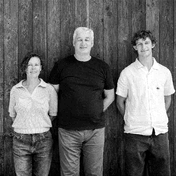
Selection Massale, one of the pioneering importers of natural wine in the United States, launched La Boutanche with a single bottling: 100% Gamay from Olivier Minot's Domaine des Charbonnières in southern Beaujolais. Minot, who farms organically with his wife Corinne, harvests from 90-year-old vines and ferments in concrete tanks with no added sulfur. He became the inaugural producer and was immortalised on the label as a cheerful pig in a Hawaiian shirt. Since then the line has grown to include Cinsault and Grenache from Martin Texier in the northern Rhône, Riesling and Trollinger from Weingut Andi Knauss in Württemberg, Germany, and pétillant naturel from Frantz Saumon in the Loire, each producer identified by a distinct animal character.
The Philosophy
The La Boutanche premise has always been simplicity: native yeast fermentation, low or zero sulfur additions, no filtration, and a retail price that makes the wines as easy to reach for on a Tuesday night as any supermarket bottle. The 1-litre format reinforces the message. These are not wines for a cellar. They are wines for a table.
The Wines
The current La Boutanche core range includes the Gamay from Olivier Minot in Beaujolais Sud (fermented and aged in concrete, zero sulfur), the Cinsault-Grenache blend from Martin Texier in Saint-Julien-en-Saint-Alban in the Ardèche (concrete tanks, six months élevage), and the Riesling and Trollinger from Andi Knauss in Strümpfelbach, Württemberg (natural fermentation, minimal sulfur). Each wine is bottled in a 1-litre screw-top format and presents the character of its producer and its terroir without artifice. All vineyards are farmed organically. We carry the Melon de Bourgogne and the Pet Nat.