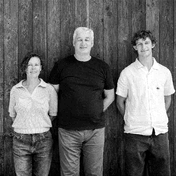
Chris Walsh grew up on a dirt road in the Sierra Foothills, left for a career in architectural lighting and wine in New York City, then came home to plant vines across from his childhood house. End of Nowhere is the result: Amador County's only local natural winery, built on native yeasts and a refusal to add anything the grapes do not bring themselves.
Backstory
End of Nowhere founder Walsh moved to New York City after college for architectural lighting design before falling into the wine world, working floors at spots such as The Tangled Vine and Corkbuzz. In 2014 he returned to Amador County and bought a 20-acre property just across the road from the house he grew up in. He named the site Little John Lane Vineyard after the road itself and began planting, mostly Rhone varieties.
The Region
The End of Nowhere winery sits in Amador City, in California's Sierra Foothills. This high, sun-drenched gold-country landscape east of Sacramento has a long viticultural history and is known for old-vine Zinfandel and an increasing range of Rhone grapes, which suit the warm days and cool foothill nights.
Vineyards & Farming
Walsh farms his estate plantings at Little John Lane and also buys fruit from growers across California. The estate wines are bottled under the Little John Lane label, while purchased fruit is released as End of Nowhere. He works without synthetic chemicals in the cellar and aims for honest, single-vineyard expressions of foothill terroir.
Winemaking
End of Nowhere ferments spontaneously, relying solely on the native yeasts that arrive on the grapes. Walsh does not fine, filter, or add coloring agents. The only addition is a small amount of sulfur dioxide, with total additions kept to 40 parts per million or less, letting each wine carry the print of its vintage and site.
The Wines
The End of Nowhere range is playful and ever-changing, with bottlings such as the Porcelina Pinot Gris, the Little Faith skin-contact white, Spaceboy, and a rotating cast of reds and roses. Most are single-vineyard, small-lot wines made to be drunk young and with pleasure. We carry the #1 Crush Zinfandel.