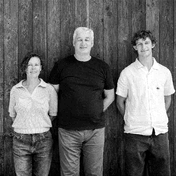
In the French Alps, the village of Seyssel built its reputation on floral sparkling wines made from grapes grown almost nowhere else. When that legacy nearly disappeared, two local families set out to bring it back.
Backstory
Seyssel has grown vines for centuries, and its sparkling wine gained wide fame in the 19th century. The Royal Seyssel label, launched in 1901 by the Varichon and Clerc families, was long considered the finest sparkling Seyssel on the market. After a large Burgundian negociant bought the operation in the 1990s, quality declined, and in 2007 the local winery was closed. Dismayed by the decline of their regional wine, Gerard and Catherine Lambert teamed up with Olivier Varichon to buy back the Royal Seyssel label and recreate the wine. Their wines are bottled under the Lambert de Seyssel and Caves de Seyssel names.
The Region
Caves de Seyseel is based at Seyssel, in Savoie in the French Alps. Its appellation status dates to 1942, following producer lobbying that began in the late 1920s. The vineyards rely on two indigenous alpine grapes: Molette and Altesse, the latter known locally as Roussette.
Winemaking
The Caves de Seyseel sparkling wines are made by the traditional method. A liqueur de tirage starts a second fermentation in bottle, and the wines age on the lees for a minimum of two years before disgorgement, building the toasty, honeyed character that made the style famous.
The Wines
The Caves de Seyseel signature bottling is the Petit Royal, a non-vintage traditional-method sparkling wine blending roughly 60 percent Molette and 40 percent Altesse. It shows alpine flowers, dried fruit, wildflower honey and a yeasty, toasty note, a faithful echo of the historic Royal Seyssel.