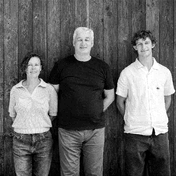
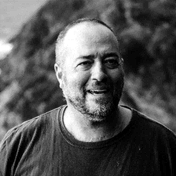
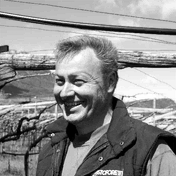
When Filippo Mangione went to look at an abandoned vineyard in Calderara Sottana, the owner told him simply: take it, don't let this vineyard die. He took it, and Ayunta was born.
Backstory
Mangione founded Ayunta in 2011 after acquiring that neglected plot on the northern slope of Mount Etna. He has since assembled several parcels in some of the zone's most prized contrade around Randazzo, building a tiny estate around extraordinarily old vines.
The Region
Ayunta farms on Etna, an active volcano in northeastern Sicily and one of Italy's most exciting wine regions, often called the Burgundy of the south for the way its lava flows and elevations splinter into distinct crus. The northern slope around Randazzo is its most celebrated sector for red wine.
Vineyards and Farming
Ayunta covers about 2.8 hectares across multiple parcels, including holdings in the Calderara Sottana contrada, at roughly 600 to 700 metres on volcanic soils of lapilli and ash known locally as ripiddu. Many vines are 50 to 100 years old or more, planted in the early 1900s, on their own ungrafted roots. Mangione farms organically, uses no chemicals, and works by hand or with small machinery given the jumble of varieties and vine ages. Yields are low, around 40 hectolitres per hectare in good years.
Winemaking
Ayunta's plantings are led by Nerello Mascalese and Nerello Cappuccio, interplanted with the whites Carricante, Catarratto and the near-extinct Minnella Bianca and Minnella Nera. Reds ferment spontaneously in open-top concrete vats for about three weeks and age in large neutral barrels; whites ferment in stainless steel and age in cement. No additives are used during elevage.
The Wines
The Ayunta signature is showing Nerello Mascalese in many guises, including red, a rare white pressing, rosato and ancestral-method sparkling, alongside Etna Bianco Piante Sparse and Etna Rosso bottlings such as Navigable and the cru Calderara Sottana.