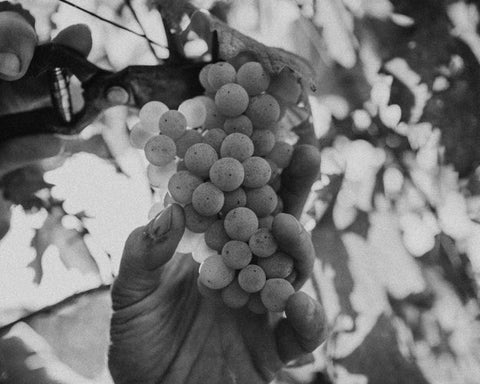
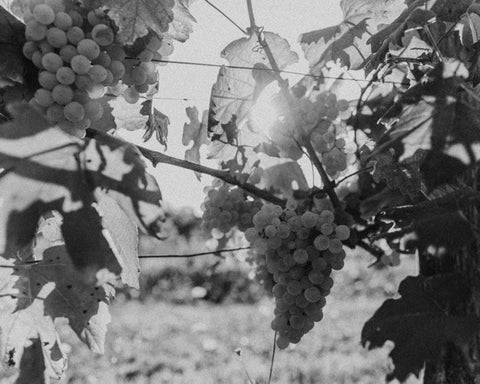
Piemonte, or Piedmont in English, is a picturesque northwestern wine region home to soft rolling hills, egg-rich pasta, white truffles, and the famous Barolo and Barbaresco wines, among many others. According to many, Piedmont is Italy's closest rival to Burgundy, a region it resembles in terms of winemaking, vine tending traditions, and the quality of the wines made.
The name Piemonte translates to "foot of the mountains," proving true to its geographical topography. Piemonte is a subalpine region surrounded by mountains on three sides. The Alps are in the north and west, while the Apennines are in the south. The Po River (Italy's longest river) flows through the center of Piemonte, cultivating fertile agricultural land.
Piemonte borders France and Switzerland, and the Italian regions of Valle d’Aosta, Lombardia, Emilia-Romagna, and Liguria. France has greatly impacted the region's viticultural history, technology, food, and language. Not only does Piemonte share its border with France, but it also used to be part of Savoie. It was common for an upper-middle-class family to speak French at home, and in some areas of Piedmont, French is still the main language.
There are eight administrative provinces in Piedmonte: Alessandria, Asti, Biella, Cuneo, Novara, Turin (capital), Verbano-Cusio-Ossola, and Vercelli. Turin is a marvelous city, quite distinct from other Italian cities for its unique Mittel European architecture and its heritage as Italy's former capital city.
The Terroir of Piemonte
Piemonte is home to more DOC and DOCG wines than any other Italian region and is often referred to as the "Burgundy" of Italy. The region's notable winemakers are passionate about quality-driven wines derived from smaller-scale family-owned wineries. Wine production is an ancient Piemonte tradition dating back thousands of years.
The famous Alps and Apennine mountains that once protected the region from invaders (first the Romans, then the French) prove a worthy ally when shielding the mountainside vineyards from harsh winds. The best vineyards are planted on the top of southern-facing hillsides, which in Piedmontese dialects is called bricco - a term often used on wine labels.
Warm daytime sun helps to increase the grape's sugar content, while the chilly nights help balance the grapes' acidity. The snowy Alps and hot Mediterranean climates cause diurnal temperature variations, which results in fog thanks to the Piedmontese valley and mountains. Not by chance, Nebbiolo attained its name from the Italian word "Debbie," which means "fog," but also refers to the "Purina" (hoarfrost) visible on Nebbiolo berries. Winters are very cold and foggy, but Piemonte is protected from excessive rainfall by the rain shadow effect from the Alps.
Piemonte is divided into five main winemaking zones: Canavese, Colline Novaresi, Coste della Sesia, Langhe, and Monferrato. The soil types within these zones range from white-yellow marl, calcium-rich clay, sand, calcareous stone, and limestone.
The White Wines of Piemonte
Moscato Bianco - this is a white muscat grape grown in Asti, known for producing the popular Moscato d'Asti DOCG and Asti Spumante. Moscato d'Asti is a semi-sparkling, slightly sweet white wine. Muscat grapes in Asti typically produce sparkling wines using the Charmat method (second fermentation in a vat). The wine has aromas of peaches and orange blossoms, with a sweet, acidic, and sparkling finish on the palate.
Cortese - a white grape variety that grows in the area of Piedmont around the city of Gavi - the best wine made from Cortese being not by chance called Gavi di Gavi (Gavi from Gavi). Cortese wines are crisp with bright acidity and aromas of lime. On the palate, flavors include honeydew, apple, and peach.
Arneis - white grape varietal indigenous to Piedmont used to make several wines under the Roero DOCG appellation. The wines produced from Arneis are mineral and delicate and are some of the region's most sought-after white wines.
Erbaluce - white grape varietal indigenous to Piedmont used to make a wine called Erbaluce di Caluso DOCG, which can be dry, passito, or spumante. It is challenging to find outside of Northern Italy.
The Red Wines of Piemonte
Nebbiolo - Piemonte's "star" red grape varietal is known for its longevity, structure, remarkable age-worthiness, bone dryness, and tenacious tannins. Wines made from Nebbiolo grown in Piemonte display characteristics such as notes of tar, roses, truffle, and sour cherries. Nebbiolo is used to make several wines, each one with its own personality. Let's have a look at some of them.
Barolo - one of the oldest Italian appellations, Barolo DOCG, Barolo is made near the Tanaro River in the Langhe hills. The differences between Barolo and Barbaresco are mostly due to the different soils on which Nebbiolo grapes are grown. Barolo has a bit more limestone; therefore, vines grow on lower-pH soils, producing grapes with higher acidity. Acidity and Barolo's distinctively high tannic structure contribute to its age-worthiness. According to the appellation rules, Barolo DOCG requires three years of aging in wood barrels before release. Barolo's most common olfactory notes are tar, violets, roses, perfume, and wild cherries.
Barbaresco - a softer and gentler wine than Barolo DOCG. Barolo and Barbaresco are made from Nebbiolo grapes, but the former is called "the king" while the latter is "the queen" for their different character. Barbaresco DOCG, similar to Barolo DOCG, is a denomination within the broader Langhe Hills sub-region. The soils, rich in lime and clay, contain more nutrients than Barolo's soils, resulting in lower tannin content in Barbaresco wine. Barbaresco requires two years of aging in wooden casks before release. Barbaresco tends to be brighter than Barolo, generally more austere and harder to approach. Barbaresco displays notes of carnation flowers, violets, and raspberries with an earthy palate.
Barbera - a fruity red grape varietal and Piemonte's most planted grape. Barbera produces lighter-bodied wines than Nebbiolo and is less complex - although not simple. For example, Barbera wines from Nizza DOCG are beautifully layered and age-worthy. Barbera has very faint tannins, is highly acidic, and tastes of black and red fruits. Barbera grape thrives when planted on calcareous and clay soils. Depending on where they are grown, there are several kinds of Barbera grapes. Alba, Asti, and Monferrato are the most famous, with corresponding DOC or DOCG wine appellations - Barbera d’Alba, Barbera del Monferrato, Barbera d’Asti, Nizza.
Dolcetto - red grape varietal whose name means "little sweet one." Dolcetto is a low-acid, low-tannin grape that makes medium to full-bodied, fruity wines for everyday drinking. Dolcetto thrives on soils rich in limestone and clay, typically on hills closer to the mountains. Dolcetto is found in the Langhe area and the province of Cuneo. Dolcetto di Dogliani, Dolcetto di Ovada, and Dolcetto di Diano d’Alba are the three Dolcetto-based DOCG appellations.
The Cuisine of Piemonte
Piemonte's exceptional oenological contributions are not the only thing the region is known for. Gastronomy plays a major role in Piedmont's history and is the by-product of two seemingly distant traditions. On the one hand, we have the haute cuisine enjoyed at the court of House of Savoia; on the other, we have simple dishes that are part of Piedmont's farming tradition. This unlikely marriage is made possible by Piemonte's unique agricultural landscape. Symbol of this uniqueness, the famous for its decadent and treasured white truffles of Alba.
Bagna cauda means "warm sauce" in Piemontese dialect. It is a deliciously comforting sauce made with anchovies, garlic, olive oil, walnuts, butter, and cream. Bagna cauda is the king of Piedmont's sauces and is typically served casually in the middle of the table as a dipping sauce for bread and vegetables.
Stuffed pasta is an integral part of gastronomy in Northern Italy, and Piemonte is no exception. Ubiquitous to the region is a dish called "Agnolotti," a type of stuffed pasta similar to ravioli but smaller in size. The dough of Agnolotti is made with eggs, flour, and water; it is then shaped and stuffed with roasted meat. Barbera and Dolcetto are excellent pairings with Agnolotti.
Brasato al Barolo is a traditional treasure to Piemontese locals. It's a long, slow-braised stew cooked with Barolo wine, which is infused into the meat. Brasato al Barolo is usually served with polenta and consumed on special occasions. Pairing Brasato al Barolo with Barolo seems an obvious choice, but it could also be paired with Barbaresco or other structured red wines, even better if aged for several years.
Locally made chocolate candies called Gianduiotto are what most people eat to finish a hearty meat-based meal - perhaps accompanied by some grappa or other digestive. Gianduiotto was invented in Turin in 1865 and is now enjoyed all over Italy. Gianduiotto is made with sugar, cocoa, hazelnut, and cocoa butter.