Jean Ginglinger

Jean-Francois Ginglinger, winemaker of Domaine Jean Ginglinger in Pfaffenheim, Alsace

In the village of Pfaffenheim, just south of Colmar, Jean-Francois Ginglinger farms vines his family has tended in an unbroken line since 1610. When he took over the estate in 1999 he steered it firmly toward biodynamics and a no-compromise vision of natural Alsace wine.

Backstory

The Ginglinger name has been bound to Alsatian vines for more than four centuries. Jean-Francois assumed control of the family domaine in 1999, the latest steward of a winemaking tradition documented back to 1610. He learned alongside his uncle Gerard Schueller and drew inspiration from natural-wine figures including Jean-Pierre Frick, Patrick Meyer, and his cousin Bruno Schueller.

The Region

Pfaffenheim sits at the southern end of the Alsace wine route, where the foothills of the Vosges meet a patchwork of geologically complex soils. Ginglinger's holdings include parcels in the Grand Cru sites near Orschwihr, planted on limestone of several types including calcareous sandstone.

Vineyards and Farming

The estate covers roughly six hectares, with a significant share classified Grand Cru, notably in Steinert. The vineyards were converted to biodynamic farming in 1997, earning Ecocert organic certification in 1999 and Demeter biodynamic certification in 2001. In 2015 Ginglinger reintroduced horse-drawn ploughing to work the soils with minimal compaction.

Winemaking

In the cellar the approach is resolutely hands-off. Vinifications are natural, relying on native yeasts, with little to no intervention and, notably, no added sulfur. The wines are given time to develop, producing aromatically expressive cuvees that gain intensity with age.

The Wines

Ginglinger works the classic Alsatian palette, with Gewurztraminer, Pinot Gris, and Pinot Noir among the standouts, alongside Riesling and Sylvaner. The range spans sparkling, white, red, and skin-contact orange wines, all bearing the stamp of a vigneron who lets terroir and fermentation speak for themselves.

More articles

Marcel Lapierre — natural wine producer
Marcel Lapierre is widely regarded as one of France's founders of the natural wine movement. Lapierre's approach to winemaking emphasized minimal intervention and natural methods, inspiring a new generation of winemakers to embrace natural techniques in their work. Born in...
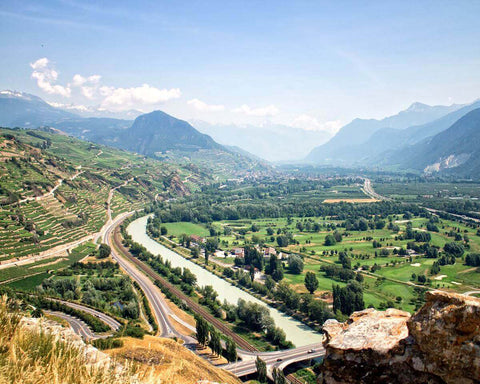
Rhône Valley French wine regions blog, landscape photo from above, natural wine, primal wine - primalwine.com
The Rhône Valley, in southeastern France, borders the Alps to the east and the Massif Central to the west. The Rhône Valley is renowned for its incredibly expressive wines and hearty cuisine. In particular, the region's wines, influenced by its...

Italian Wine Regions

Pencil color illustration of Valpolicella - primalwine.com
Valpolicella is versatility in a glass—cherry-bright Valpolicella, velvet Ripasso, and contemplative Amarone, all shaped by...
Pencil color illustration of Mount Etna - primalwine.com
Etna is energy in a glass: Nerello Mascalese and Carricante channel lava flows, altitude, and...
Barolo: A Terroir-Driven Guide to Nebbiolo
Barolo is Nebbiolo at its most articulate—perfume and power shaped by Tortonian and Serravallian soils...

French Wine Regions

Savoie Wine Region - primalwine.com
Savoie, nestled in the heart of the French Alps, represents one of France's most distinctive...
Rhône Valley French wine regions blog, landscape photo from above, natural wine, primal wine - primalwine.com
The Rhône Valley, in southeastern France, borders the Alps to the east and the Massif...
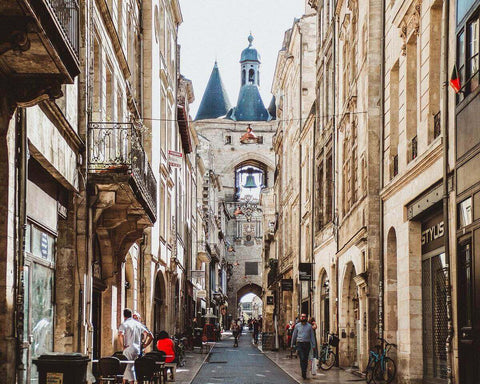
Bordeaux French wine regions blog, photo of a Bordeaux alley and monuments, natural wine, primal wine - primalwine.com
Bordeaux, located in southwestern France, is bordered by the Atlantic Ocean to the west and...

Natural Winemakers

Maria and Sepp Muster, natural wine producers from Leutschach in Southern Styria, Austria, standing with the next generation of the family
Maria and Sepp Muster farm ten hectares of Demeter-certified biodynamic vineyards above Leutschach in Southern Styria, crafting textural, mineral whites from the region's distinctive Opok marl soil.
Possa, natural wine producer in Cinque Terre, Liguria, Italy
Heydi Bonanini practices heroic viticulture on terraced cliffs above Riomaggiore, producing Cinque Terre whites and the legendary Sciacchetra from rescued indigenous varieties.
Weingut Niklas, natural wine producer, in his vineyard in Alto Adige, Italy
Weingut Niklas is a family-run Alto Adige estate in Kaltern where Dieter Solva farms 7 hectares of calcareous mountain soils to produce precise, aromatic whites and structured Lagrein reds that have carried the family name for over 50 years.