Sauvignon Blanc is a widely celebrated grape variety known for its distinctive aromatic profile and versatility. This grape produces a range of wine styles that are enjoyed globally. This essay explores the history, viticultural characteristics, global cultivation, wine characteristics, winemaking techniques, and food pairings associated with Sauvignon Blanc.
History and Origin
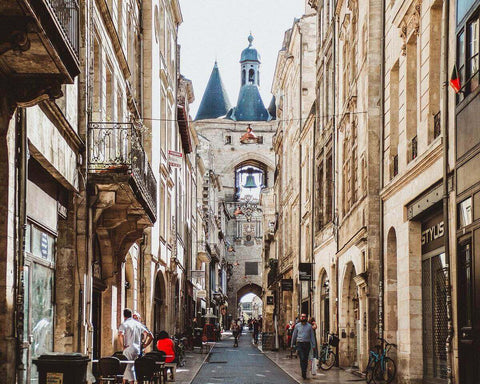
Sauvignon Blanc originated in France's Loire Valley and Bordeaux regions. Its name derives from the French words "sauvage" (wild) and "blanc" (white). It is believed to be a descendant of the ancient grape variety Savagnin. Its cultivation dates back several centuries, and it remains one of the most important white grape varieties in France.
Viticultural Characteristics
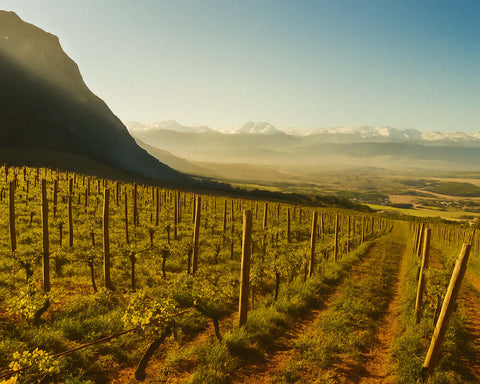
Sauvignon Blanc is known for its vigorous growth and adaptability to various climates. It thrives in cool and warm regions but prefers well-drained soils such as gravel, limestone, and sandy loam. The grape clusters are small to medium-sized with thin skins. It is an early-ripening variety, which makes it less susceptible to late-season rot but more vulnerable to spring frosts.
Global Cultivation
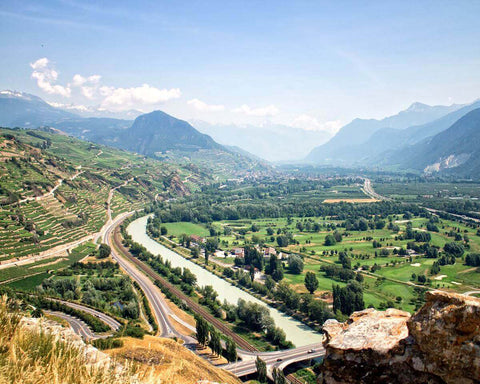
Sauvignon Blanc is cultivated in many major wine-producing regions worldwide. In France, it is primarily grown in the Loire Valley and Bordeaux. In New Zealand, Marlborough is renowned for its vibrant Sauvignon Blanc wines. The grape is also extensively planted in California, particularly in the Napa Valley and Sonoma County, as well as in Chile, South Africa, and Australia.
Wine Characteristics
Sauvignon Blanc produces wines with a distinctive aromatic profile characterized by high acidity and bright flavors. Common aromas and flavors include green apple, lime, passion fruit, and freshly cut grass. In cooler climates, the wines often exhibit more herbaceous and citrus notes, while tropical fruit flavors are more pronounced in warmer regions. The wine's crisp acidity makes it refreshing and food-friendly.
Winemaking Techniques
Winemakers use various techniques to highlight the unique characteristics of Sauvignon Blanc. Fermentation typically occurs in stainless steel tanks to preserve the grape's fresh, fruity aromas. Some winemakers ferment or age the wine in oak barrels to add complexity and a creamy texture. Malolactic fermentation is less common but can soften the wine's acidity. Blending with other grape varieties, such as Sémillon, is traditional in regions like Bordeaux.
Food Pairing
Sauvignon Blanc's high acidity and vibrant flavors make it an excellent pairing for many dishes. It pairs well with seafood, particularly shellfish, and sushi. It complements salads, especially those with goat cheese and vinaigrette dressings. The wine's herbal notes make it a good match for dishes with herbs like basil, cilantro, and mint. Additionally, it pairs nicely with light poultry dishes and vegetarian cuisine.